Walk down the beverage aisle at the end of 2026 and something has quietly changed. The cans are calmer. The bottles read like a well-traveled pantry rather than a candy counter. That neon-blue "berry blast" energy has softened into pale-gold elderflower, crimson hibiscus, and a whisper of yuzu that smells like a Japanese grove after rain. The shelf no longer tastes sweet for the sake of sweet. It tastes considered. It tastes like someone who cooks, travels, and reads a label before they buy.
That shift is the story of the year. The biggest beverage flavor trends 2026 are not chasing louder sugar or brighter dye. They are being driven by global botanicals, real flavors and aromatics pulled from plants, fruits, flowers, roots, and spices, moving from the niche corner of the store into prime, eye-level shelf space. According to the , global flavors are surging across menus, and beverages are riding that wave harder than almost any other category.
National Restaurant Association's 2026 What's Hot Culinary Forecast
We look at this from a specific vantage point. We are a Chicago beverage development company, and we spend our days taking products from a first bench formulation to a first production run. So when we talk about a "trend," we are not talking about a slide in a deck. We are talking about the botanical you have to source consistently, stabilize through pasteurization, and keep tasting the same in can number four hundred thousand as it did in the lab. That is a very different conversation, and it is the one worth having.
Consider this your guided walk down the 2026 shelf. We will cover the four consumer forces pulling these flavors forward (global exploration, grown-up sophistication, the less-sweet movement, and functional adjacency). We will name the botanicals actually winning space, from bright citrus like yuzu and calamansi to the floral and bittersweet world of hibiscus, pandan, and elderflower. Then we will do the part most trend lists skip: how a developer turns one of these flavors into a stable, compliant, shelf-ready product.
Let us start with why these flavors are winning right now.
Why 2026 Is the Year of Global Botanicals
Why does this matter for anyone building a product? Because a named botanical carries trust that a vague one cannot. When a shopper reads "yuzu," they picture a specific citrus, they may have tasted it in a restaurant, and they extend the brand a little credit for knowing what it is too. Specificity reads as competence. On a crowded shelf, competence sells.
For years, the beverage industry gestured at this world without naming it. A drink was "tropical." A soda was "exotic." A tea was "island inspired." Those words were placeholders, a way to signal something-other-than-cola without committing to a place. That era is closing. The single clearest signal of 2026 is the pivot away from vague cues toward named regional authenticity. Consumers no longer want "tropical." They want calamansi. They do not want "floral." They want elderflower, and they know the difference.
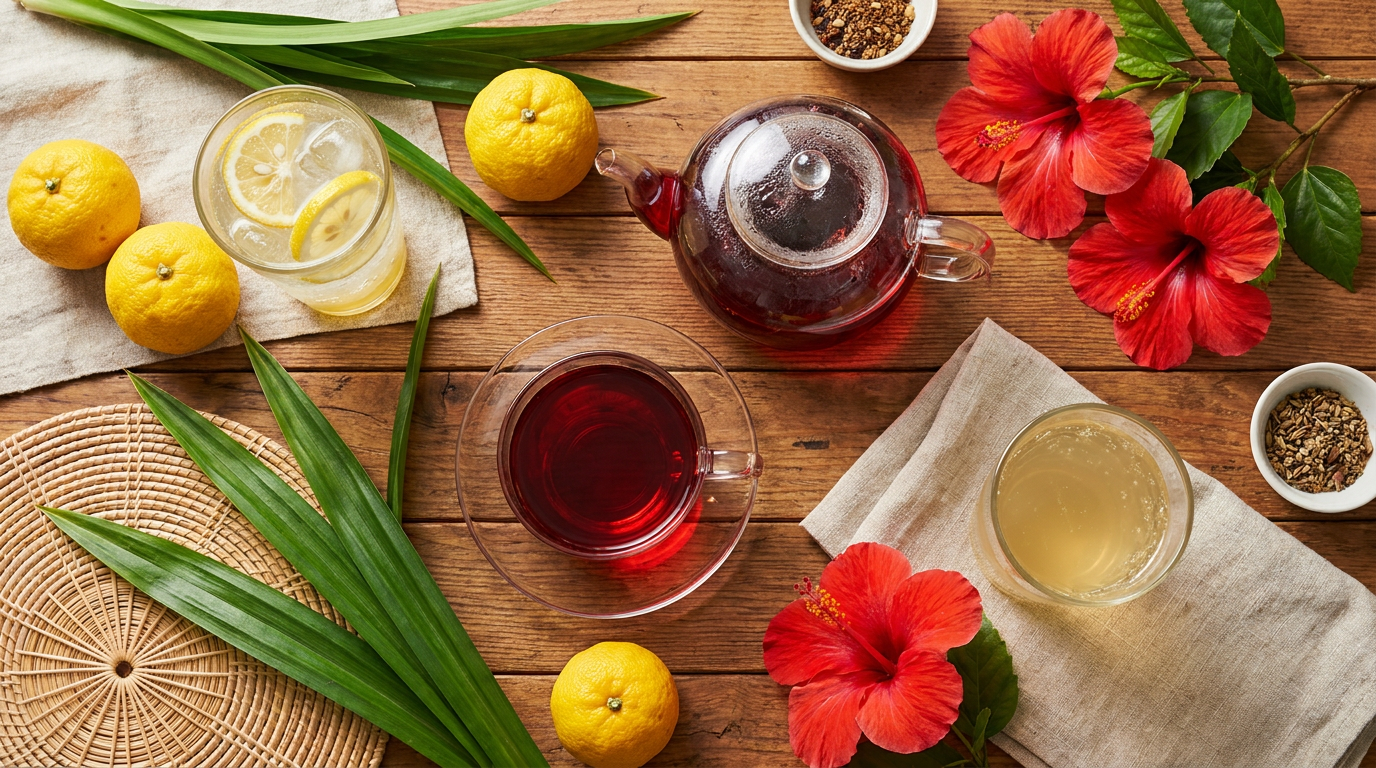
Let us define the term plainly, because clarity matters when a phrase starts showing up on every brief. Global botanicals are flavors and aromatics sourced from plants tied to specific culinary traditions. Yuzu from Japan. Tamarind from Latin America and Southeast Asia. Cardamom and saffron from South Asia and the Middle East. Hibiscus from West Africa and the Caribbean. Pandan from the kitchens of Malaysia, Thailand, and the Philippines. These are not invented "flavor systems." They are ingredients with a passport, a growing region, and a role in a real cuisine.
The mainstreaming is the real headline. What used to read as adventurous now reads as expected. A decade ago, a hibiscus soda was a specialty-store curiosity. Today it sits comfortably next to lemon-lime, and a shopper barely blinks. The points to exactly this movement, calling out ingredients like pandan and a broader "global-meets-local" dynamic where far-flung flavors settle into everyday formats. When the food scientists and the survey data agree, you are not looking at a fad. You are looking at a structural shift.
Institute of Food Technologists' Outlook 2026: Flavor Trends
Academic sources are saying the same thing from a different room. So this is not a niche playing at the edges. It is a mainstream expectation reshaping the center of the shelf, favoring named origins over lazy generalities, and rewarding brands that treat flavor as a form of cultural literacy. That is the "what." Now for the more interesting question: why are consumers actually reaching for these bottles?
Penn State Extension's Food Trends 2026
There is also a deeper current worth naming: flavor escapism. The wider 2026 forecasts keep circling three themes, global flavors, comfort, and the desire for a small, affordable trip through taste. A beverage is the most accessible passport there is. You cannot always fly to Osaka or Bangkok, but you can buy a four-pack that tastes like you did. That emotional job, transporting someone for three dollars, is a big part of why botanicals are outperforming plainer profiles. They deliver a story in a sip.
reinforces that global flavors, especially those rooted in Asian culinary traditions, carry real momentum into 2026. That is useful precisely because it is non-commercial. Nobody at a land-grant extension office is trying to sell you a flavor. When they call the trend, it is because the pattern is visible in the culture, not the catalog.
The Consumer Forces Pulling Botanicals Onto the Shelf
A trend list without a "why" is just a wish list. To trust that these botanicals belong on the shelf in 2026, you have to understand the forces putting them there. There are four, and they reinforce each other in a way that makes this movement unusually durable.
The first is global exploration. Palates have been in training for a decade, and most people did not even notice the coursework. Travel reopened and expanded. Social media turned every home cook into an audience for someone else's grandmother's recipe. Grocery aisles filled with ingredients that used to require a special trip. The result is a generation of drinkers who have tasted the real thing and now recognize the difference between a generic "citrus" and the specific perfume of yuzu or the sour-sweet snap of calamansi. Once a palate has been to a place, a vague flavor feels like a downgrade.
The second force is sophistication, the simple, powerful desire to drink like a grown-up. For a long time, non-alcoholic and low-sugar options were treated like the kids' table of the beverage world, sweet, simple, and a little apologetic. Consumers have outgrown that. They want beverages that feel layered and refined, drinks that would not embarrass them at a dinner party. Botanicals answer that need almost automatically, because complexity is their native language. A drink built on cardamom and hibiscus simply reads as more adult than one built on artificial cherry.
The third force is the less-sweet movement, and it may be the most consequential of all. Demand is climbing for lower-sugar profiles that lean into bitter, tart, and aromatic notes rather than drowning everything in syrup. This is the wind behind bittersweet botanicals like gentian and sumac, ingredients that would have been unthinkable in a mainstream soda five years ago. When you pull sugar out, you make room for character. Botanicals rush in to fill that space with something more interesting than sweetness.
The fourth force is functional adjacency, and this is where flavor and wellness quietly shake hands. Many of these botanicals arrive carrying a wellness reputation the consumer already half-believes. Hibiscus is widely associated with heart health, and that association is not folklore alone; a examined hibiscus and blood pressure and found measurable effects in the research. To be clear, that is published science on an ingredient, not a claim any single product can make on its label, and the line between the two matters enormously. But the perception is real, and perception drives the reach for the can. Elderflower and sea buckthorn carry a similar antioxidant halo. The flavor itself does double duty, tasting good while implying good.
systematic review and meta-analysis published in the National Library of Medicine
The best botanicals do two jobs at once, they taste sophisticated and they hint at doing you good.
Underneath all four sits a powerful tailwind: the rise of low- and no-alcohol drinking, the category often shortened to NoLo. As more people drink less, or nothing at all, they still want the ritual and the complexity that alcohol used to provide. The So which botanicals are actually claiming shelf space? Let us start at the bright, aromatic end of the spectrum.
National Restaurant Association's 2026 What's Hot Culinary Forecast
Put those forces together and the picture is clear. Consumers are more traveled, more grown-up, less sweet-seeking, more wellness-curious, and increasingly sober-curious, all at once. Botanicals sit precisely at the intersection of every one of those trends. That is why they are winning, and it is why the list that follows is earned rather than arbitrary.
backs the momentum behind low- and no-alcohol drinks alongside fermented and gut-friendly beverages with primary survey data. Here is the design problem that momentum creates: when you remove alcohol, you remove a lot of a drink's backbone, its warmth, its bitterness, its lingering finish. Something has to replace that complexity, and a well-chosen botanical is the best replacement we have. Gentian brings the bitter spine. Elderflower brings the aromatic lift. Hibiscus brings the tart structure. The botanical is not decoration on a NoLo drink. It is the load-bearing wall.
The Botanicals Winning Shelf Space, Part 1: Bright Citrus and Tropical
This is the accessible on-ramp. If a brand is testing global flavor for the first time, these are the botanicals that reward curiosity without scaring the shopper. They are vivid, familiar enough to feel safe, and interesting enough to feel new. The leans hard into culinary-style beverages and herbal, citrus-forward profiles, and this bright camp is where that culinary energy first shows up in a can.
James Beard Foundation's flavor forecast for 2026
Yuzu: The Aromatic Superstar
Here is the catch when you scale it. Yuzu's magic lives almost entirely in its high, volatile top notes, and those are exactly the notes that heat, time, and processing love to steal. A yuzu drink that dazzles at the bench can taste flat and generically "citrus" after pasteurization if you have not protected those aromatics. Getting yuzu to survive contact with a production line is a real formulation challenge, not a garnish.
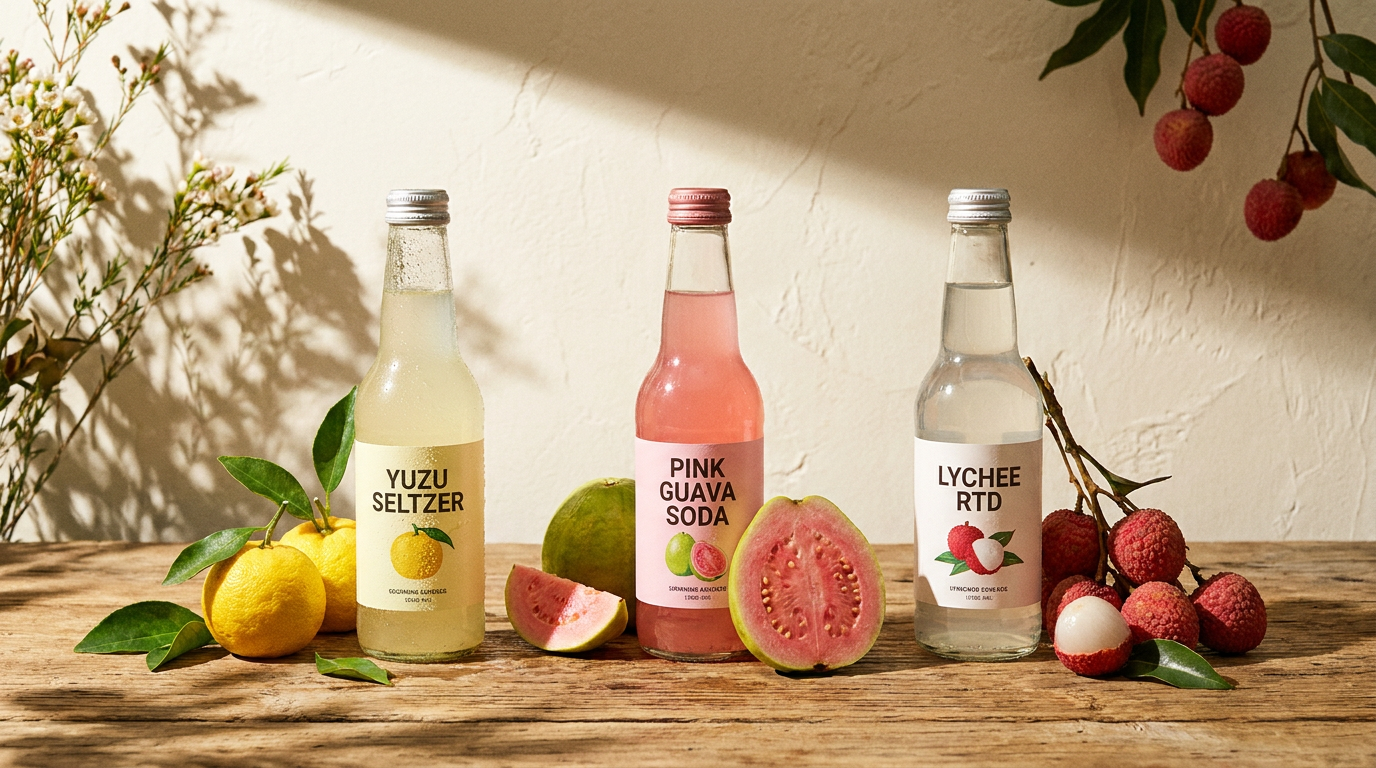
Yuzu is the flavor that made "specific citrus" a category. It is floral, tart, and unmistakably itself, closer to a bright mandarin crossed with grapefruit and a squeeze of lime, but with a perfume none of those can match. It is the reigning star of premium sparkling water, NoLo builds, and ready-to-drink (RTD) cocktails, and it earns that spot by tasting expensive.
Calamansi: The Sour-Sweet Workhorse
Calamansi is a small Filipino citrus with a bright, sour-sweet profile that lands somewhere between lime, mandarin, and kumquat. It is fantastic in modern sodas and functional shots, where its natural acidity gives a drink genuine snap. A useful developer note: calamansi's sourness pairs beautifully with a touch of honey or agave, which rounds the acid without burying the fruit. Balance is the whole game here.
Lychee: Perfumed and Popular
Lychee is sweet, floral, and almost heady, a perfume you can drink. It performs strongly in RTDs and hard seltzers, where its softness plays well against carbonation. The warning is simple: lychee tips into "candy" perception fast if you overdose it. A little reads as luxury. A lot reads as a lollipop. Restraint keeps it grown-up.
Guava and Pink Guava: Tropical Body
Guava, and especially pink guava, brings a lush, full-bodied tropical character that many single-note citrus flavors lack. It shines in sodas and juices, and it comes with a bonus: it contributes natural color and a pleasant cloud, so you get visual appeal without reaching for artificial dye. That built-in body makes it a generous partner in blends.
Ube: The Visual-First Flavor
Ube, the purple yam, is the botanical you buy with your eyes first. Its flavor is nutty and vanilla-soft, but its real superpower is that arresting violet color that photographs like nothing else on the shelf. That visual appeal is also its challenge. Ube's color and flavor stability in a beverage base take careful management, because pH and light can dull that signature purple over a product's shelf life. Get it right and you own the aisle's most Instagrammed can. Get it wrong and it fades to a muddy gray.
Tamarind: Sweet, Sour, and a Little Savory
Tamarind is the depth charge of this group. It is sweet and sour with a genuinely savory, almost tangy edge, which makes it perfect for the "swicy" (sweet-and-spicy) sodas gaining ground and for more complex NoLo builds. The Together, these six are the friendly front door to global flavor. They give a brand a way to test the water with something bright and approachable. But the bright end is only half the story. The real sophistication of 2026 lives in the floral, herbal, and bittersweet camp.
IFT Outlook 2026
specifically flags savory-sweet mashups as a rising direction, and tamarind is the ingredient that lets a drink flirt with savory without losing refreshment. It rewards a developer willing to build something more grown-up than a fruit punch.
The Botanicals Winning Shelf Space, Part 2: Floral, Herbal, and Bittersweet
If the citrus group is the on-ramp, this group is the destination. These are the botanicals that define the grown-up edge of 2026, the ones that let a brand sell sophistication and imply function in the same sip. They are subtler, harder to dose, and far more rewarding when you land them.
Hibiscus: The Functional Showpiece
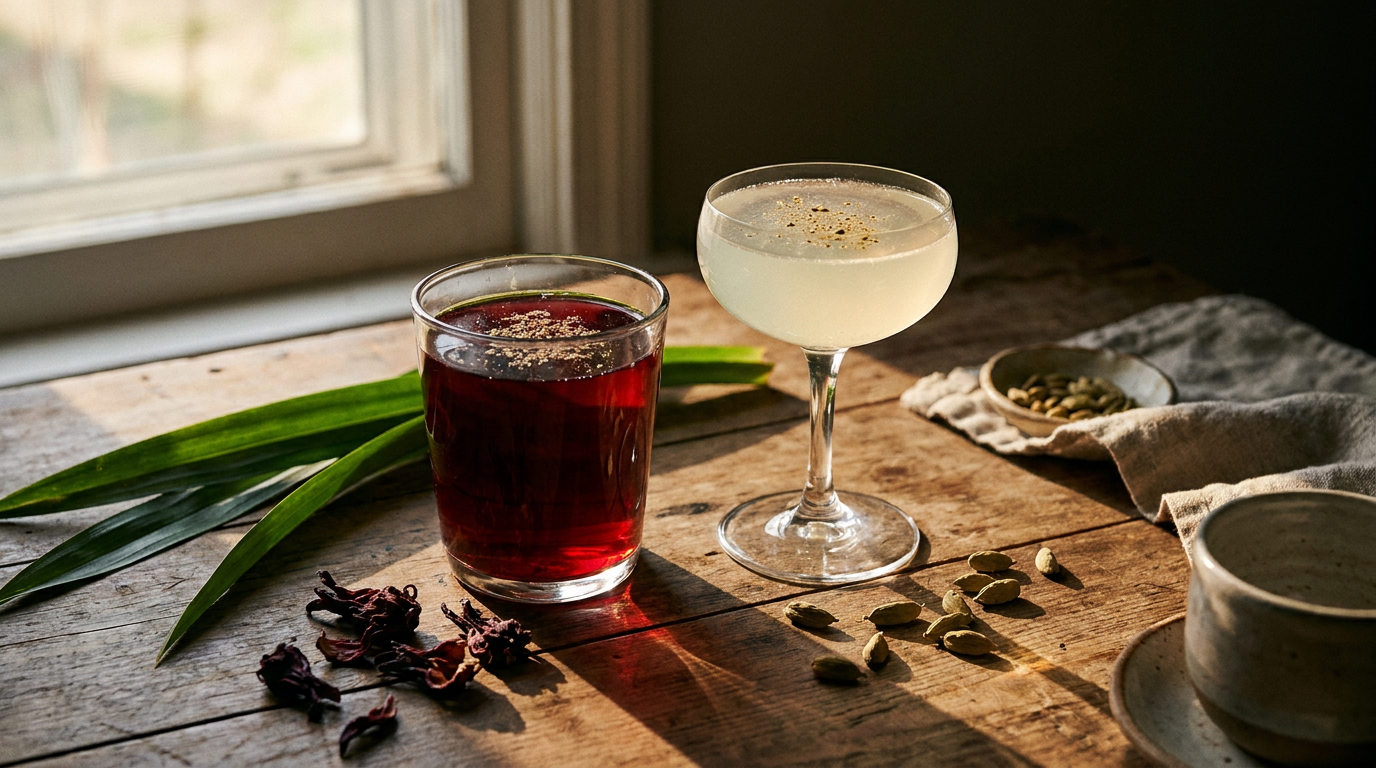
Hibiscus is arguably the most complete botanical on this list. It is tart and cranberry-crimson, it delivers a stunning natural color with no dye required, and it carries a genuine functional reputation. That reputation is not marketing air; a found that consuming hibiscus tea was associated with lower blood pressure in participants. Again, that is research on the ingredient, and framing it as consumer-relevant research rather than a product claim is the responsible and compliant way to use it. Hibiscus is a star across teas, functional waters, and NoLo, doing color, flavor, and story all at once. Few botanicals give you three wins in one petal.
USDA Agricultural Research Service study
Elderflower: The NoLo Hero
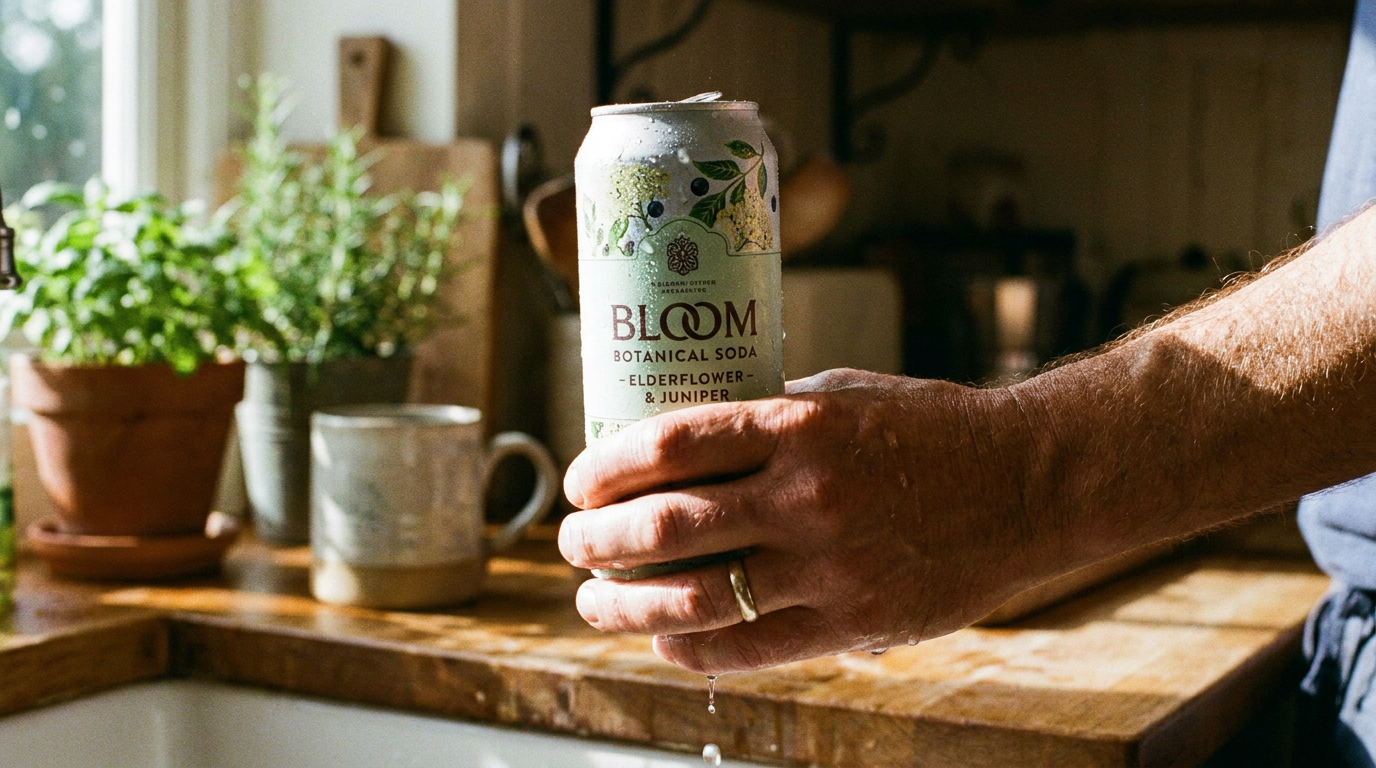
Elderflower is delicate, floral, and honeyed, and it has quietly become one of the most important botanicals in the no- and low-alcohol world. Its gift is "lift," a bright, aromatic top note that fills the space where alcohol's warmth used to be. The developer challenge is subtlety. Elderflower's dosing window is narrow: a hair too little and it disappears, a hair too much and it turns soapy and cloying. Precision is everything.
Pandan: The Vanilla of Southeast Asia
Pandan is soft, floral, and herbal, with a warm, toasted, almost coconut-vanilla quality that has earned it the nickname "the vanilla of Southeast Asia." The names pandan directly as a flavor to watch, and its natural home in beverages is anything coffee-adjacent or creamy, where that toasted warmth has something to hold onto. It is comforting and exotic at the same time, a rare combination.
IFT Outlook 2026
Cardamom and Saffron: Aromatic Luxury
Cardamom and saffron bring true aromatic spice depth, the kind that elevates a premium soda or a functional latte from pleasant to memorable. Cardamom is bright, resinous, and instantly transporting. Saffron is floral, honeyed, and unmistakably luxurious. The developer note on saffron is blunt: it is one of the most expensive ingredients on earth, and its dosing has to be precise both for cost control and because too much turns medicinal fast. These are surgical tools, not broad strokes, but used well they signal luxury like almost nothing else.
Sea Buckthorn and Prickly Pear: Vivid and Functional
Sea buckthorn and prickly pear are the wellness camp's bright stars. Both are tart, both are antioxidant-rich, and both bring vivid natural color, sea buckthorn a glowing orange, prickly pear a shocking magenta. They are ideal for functional and wellness-positioned drinks, where the flavor and the color both reinforce the "this is good for me" story the consumer is already inclined to believe.
Sumac and Gentian: The Bittersweet Frontier
This is the true frontier of 2026. Sumac is tart, tangy, and lightly astringent. Gentian is intensely, gloriously bitter, the backbone of many classic aperitifs. These are the botanicals of the less-sweet, complex NoLo and aperitif-style sodas that define the category's most sophisticated edge. The developer challenge is bitterness balancing: bitter needs a counterweight, whether acid, a touch of sweetness, or a rounding aromatic, or it turns punishing. Managed well, bitter is the most grown-up flavor there is.
Bitter is the new bold. Consumers are finally ready for beverages that don't apologize with sugar.
Knowing the flavors is step one. The next question every brand asks us is the practical one: where does each botanical actually belong?
What unites this entire group is that dual job. Every one of these botanicals lets a brand sell sophistication and imply function at the same time, without a single artificial cue. That is a powerful position on a 2026 shelf where shoppers are reading labels and looking for both refinement and reassurance.
Matching Botanicals to the Right Category
A great botanical in the wrong format is a wasted opportunity. The art of a strong 2026 launch is not just picking a flavor, it is placing it in the category where it can do its best work. Here is how we think about the fit.
Sparkling water rewards restraint above all else. There is nowhere to hide in a can with almost no sugar, so the aroma has to do the work. This is the natural home for top-note-forward botanicals like yuzu and elderflower, where a delicate, high aromatic note carries the whole experience. The lower the sugar, the more the botanical's quality shows, which is exactly why premium sparkling water has become the proving ground for the best of them.
NoLo (low- and no-alcohol) is all about complexity. Here you are actively replacing the depth that alcohol used to provide, so this is the place for bittersweet and deeply aromatic botanicals. Gentian, sumac, hibiscus, and cardamom give a NoLo drink the structure, bitterness, and lingering finish that keep it from tasting like flavored water. Complexity is not a nice-to-have in this category. It is the entire point.
Functional beverages demand honesty. Pick botanicals that carry a credible wellness story, hibiscus, sea buckthorn, prickly pear, and pair the flavor with the function transparently. The consumer is already primed to believe the story, so the job is to earn that trust rather than overreach past what the research and regulations allow.
RTD and hard seltzer need crowd-pleasers that still feel premium. This is the sweet spot for lychee, guava, calamansi, and yuzu, botanicals bright and approachable enough for a wide audience but specific enough to feel like a step up from the ordinary. They deliver mass appeal without tasting mass-market.
Modern and craft sodas are the playground for "swicy" and bittersweet experimentation. Tamarind, sumac, guava, and prickly pear all thrive here, and this category pairs naturally with the prebiotic and gut-friendly builds gaining ground. The points to real momentum behind fermented, gut-friendly, and prebiotic sodas, and these characterful botanicals are what make a functional soda taste like something you actually want to drink again.
National Restaurant Association's 2026 What's Hot Culinary Forecast
Here is a quick reference for matching botanical to category:
- Yuzu works best in sparkling water and premium RTD, because its bright top note shines when sugar steps back.
- Elderflower belongs in sparkling water and NoLo, because its floral lift replaces alcohol's aromatic warmth.
- Hibiscus fits functional and NoLo, because it delivers color, tartness, and a credible wellness story at once.
- Gentian thrives in NoLo and aperitif-style sodas, because its bitterness rebuilds the backbone alcohol leaves behind.
- Lychee suits RTD and hard seltzer, because it is a soft crowd-pleaser that still feels premium.
- Tamarind excels in craft and swicy sodas, because its sweet-sour-savory depth carries complex, grown-up builds.
- Sea buckthorn and prickly pear are made for functional drinks, because vivid color and antioxidant reputation reinforce the benefit.
- Pandan performs in coffee-adjacent and creamy formats, because its toasted-vanilla warmth needs richness to lean into.
This kind of mapping is exactly the developer value-add that turns a flavor idea into a strategy, and it is the core of what we do at Menu Collective across our . Choosing the right botanical and the right category is the fun part. Making it survive contact with a production line is where most trends quietly die.
beverage development services
From Trend to Shelf-Ready Formulation: What Actually Happens
Here is the part the trend lists never tell you. Naming a botanical is easy. Turning it into a stable, compliant, scalable product is the actual work, and it is where the gap between a good idea and a shipped product opens wide. This is the ground we live on, so let us walk through what really happens between the concept and the shelf.
Sourcing and consistency come first. Natural botanicals are agricultural products, and agriculture varies. Yuzu from one harvest is not identical to yuzu from the next. Hibiscus from one region tastes different from hibiscus grown somewhere else. If you want a product that tastes the same every single time, you cannot leave that to chance. Building a repeatable Gold Standard means specifying and controlling your inputs, defining exactly what "correct" tastes like and holding every batch of raw material to it. Consistency is not luck. It is a spec.
Flavor stability and processing come next, and they are unforgiving. The delicate aromatics that make yuzu and elderflower magical are exactly the compounds that heat, light, and time degrade. Pasteurization keeps a product safe and shelf-stable, but it can also strip out the very top notes you built the drink around. That is why shelf-life testing is not a formality; it is a core part of development. A drink has to taste right not on day one, but on the day someone finally opens it, months later, in their kitchen.
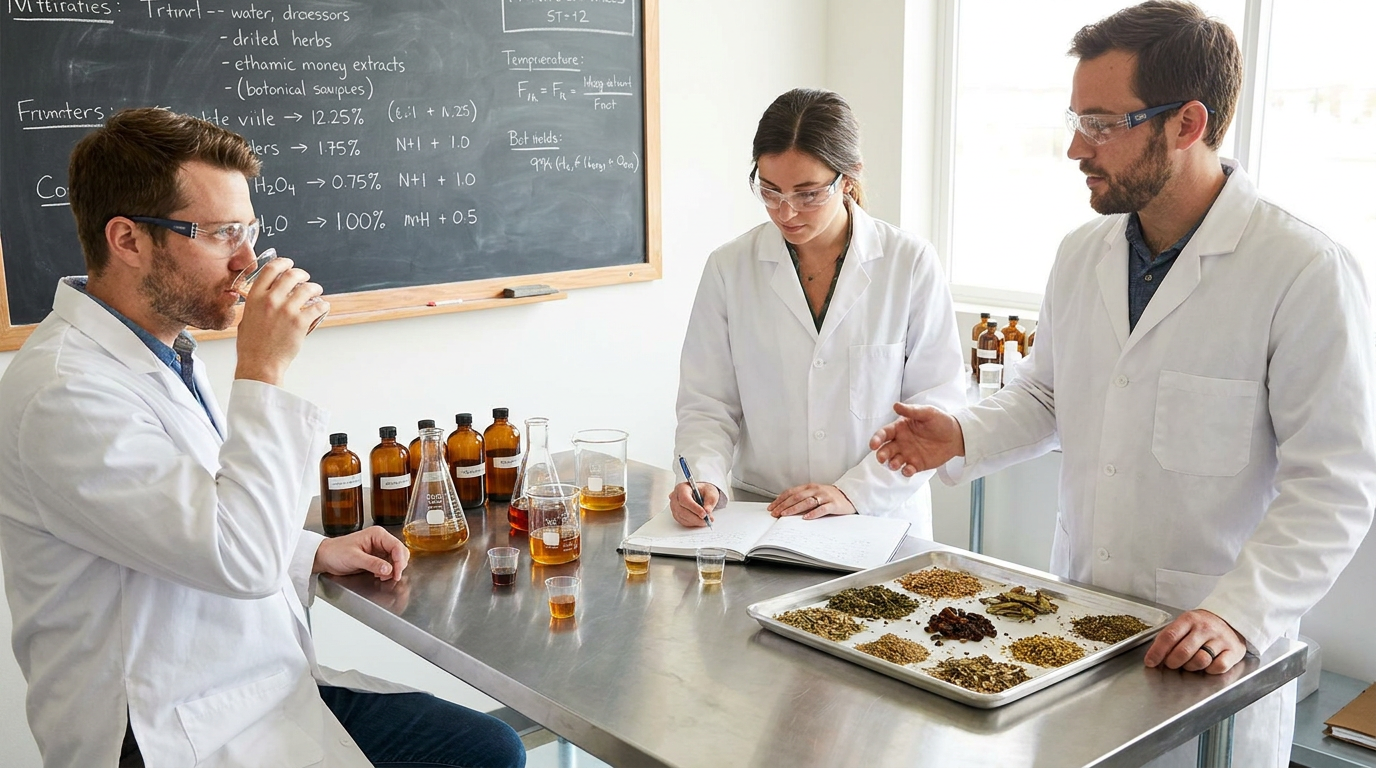
Color and clarity are their own puzzle. Hibiscus, ube, and guava all bring beautiful natural color, and natural color is alive in a way synthetic dye is not. It shifts with pH. It fades with light. That crimson hibiscus can drift toward brown, and that violet ube can slide toward gray, over the life of a product on a lit shelf. Keeping color true from the first pour to the last is a genuine formulation problem, and solving it is part of the craft.
Balancing a less-sweet drink is harder than it sounds. Sugar does more than sweeten; it masks. Pull it out to hit a lower-sugar target and you suddenly expose every bitter edge and off-note that sugar was politely hiding. Rebuilding balance without that crutch takes real tuning of acid, salt, and masking, a careful rebalancing so the drink tastes clean and intentional rather than thin and harsh. The less-sweet trend is wonderful for flavor and brutal for formulation, which is exactly why it separates the serious builds from the rest.
Regulatory compliance is not optional, and it is not an afterthought. Labeling rules, allowed ingredients, and especially any functional claims all have to clear before a product can launch. This is where the responsible framing of those hibiscus and elderflower stories becomes a hard requirement rather than a stylistic choice. Getting the science and the claims right protects both the consumer and the brand.
And then there is scale-up, where beautiful ideas go to be tested. A gorgeous bench sample is not a production run. The jump from a few perfect liters in the lab to hundreds of thousands of consistent, safe, on-spec units is the single biggest hurdle in the entire journey, and it is where deep expertise earns its keep. This is precisely the moment we love, and our show what that scale-up looks like with real products that made it to real shelves. For the broader picture of moving innovation to market, the is a solid, non-commercial reference on how this stage separates concepts from commercial reality.
IFT Business Trends hubcase studies
This is where our three-stage model does its quiet work. In Design, we define the Gold Standard, the exact target the product has to hit. In Develop, we turn that standard into a scalable, compliant formulation that survives processing and holds its spec. In DeliverThis is exactly the gap we live in, the space between a trend everyone can name and a product only a few can actually ship. Let us show you how we close it.
, we bring it to market. That path, concept to commercialization, is the whole job.
How Menu Collective Turns a Botanical Trend Into a Gold Standard Product
Here is the most important word in how we work: with. We build with our clients, not for them. From the first formulation to the first production run, you are in the room, tasting the samples, weighing the trade-offs, and shaping the Gold Standard alongside a collective of creative and commercially astute food-and-beverage experts. A trend forecast is only useful if someone can help you act on it, and acting on it together is the entire point.
Picture the journey of a single botanical concept, say a yuzu functional water or a hibiscus RTD, through our process. In Design, we hand-select the right specialists for your project and define what your Gold Standard actually tastes, looks, and feels like, from the aromatic profile to the color to the finish. In Develop, our mixologists and food scientists rebuild that concept with real ingredients into a commercialized formulation, one that protects those delicate yuzu top notes through pasteurization, holds that hibiscus crimson true on a lit shelf, and clears regulatory compliance before it ever reaches production. In DeliverCredibility should be shown, not shouted, so we will simply say this: our team has built alongside brands like Starbucks, 7-Eleven, and Goose Island, and our founder, Stuart McCarroll, brings more than 45 years across the global food and beverage landscape. We are proud of that work not as a list of logos, but as proof that we have taken real products, through real production lines, onto real shelves. That is the experience you want in the room when a delicate botanical meets a pasteurizer for the first time.
Our range is deliberately wide, because trends do not respect format boundaries. Any base, any format. Canned cocktails and hard seltzers. Sparkling and functional waters. Coffee, tea, and dairy-based beverages. Start-ups finding their footing and global brands evolving a line. If a botanical can go in it, we can help you build it.
, the product is vetted, on-spec, and ready to sell, and we help shape the strategy to bring it to market.
We are rooted in Chicago, and we are built as a collective by design, a team of hands-on makers who have spent years behind coffee counters, beverage bars, and product development centers. That is how we know what draws a guest in and what brings a moment of bliss to someone drinking at home or on the go. You can read more about how we got here on our , and when you are ready to talk specifics, our door is open on the .
Let's Talk pageAbout page
Let us zoom back out to the opportunity in front of you, because 2026 is not waiting.
The 2026 Shelf Belongs to Brands Who Build Now
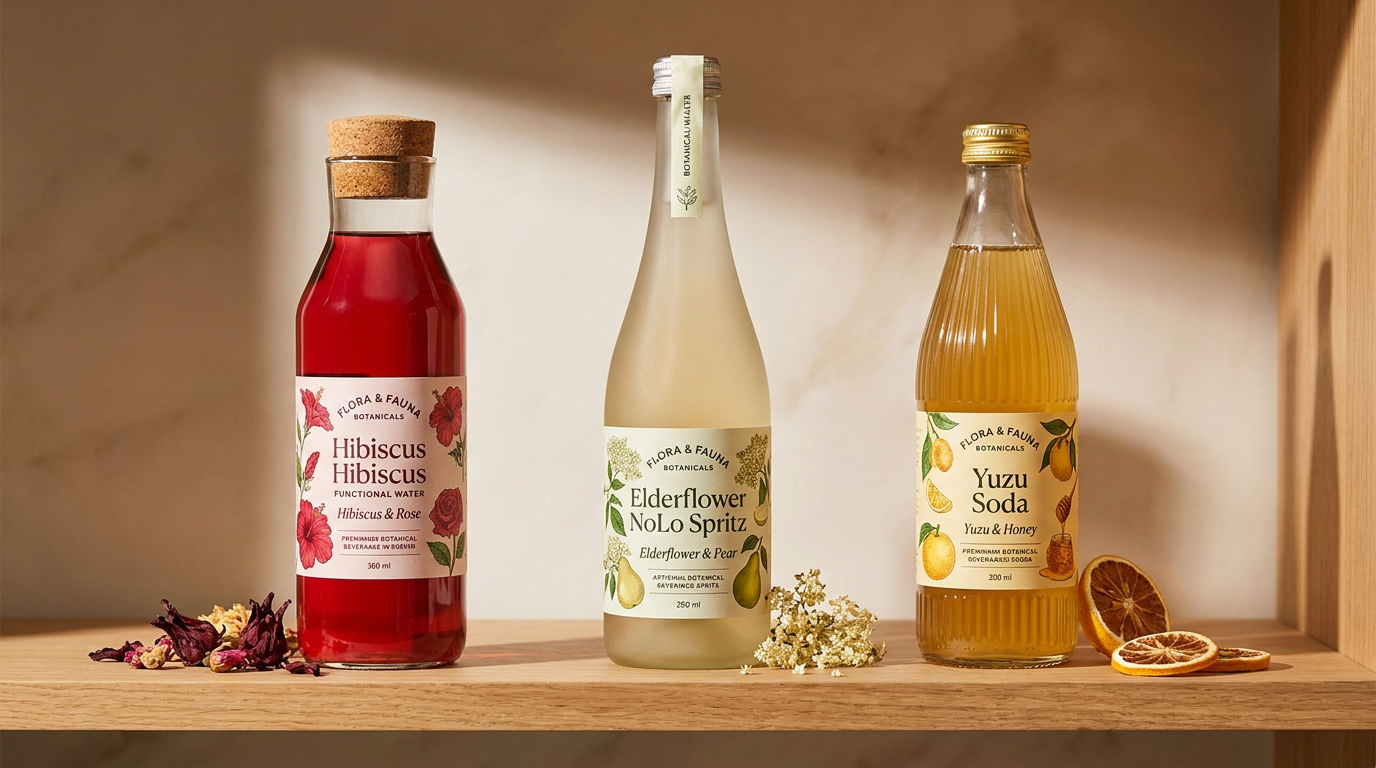
Here is the part worth sitting with: the botanicals themselves are not scarce. The knowledge to name them is everywhere. What is scarce, and what actually wins, is the ability to build one of them into something real before the window closes. The brands acting early on these flavors are the ones claiming the eye-level space now, while the rest are still admiring the forecast. The beverage flavor trends 2026 are not a prediction anymore. They are an invitation, and it has your name on it.
But naming a trend is the easy part. Anyone can read a forecast and point at a flavor. The real work, the work that decides who actually wins shelf space, is turning that botanical into a product that is stable through processing, honest and compliant on the label, consistent from the first batch to the millionth, and beautiful right up to its expiration date. That is where a trend becomes a brand.
The through-line of this forecast is simple. In 2026, the shelf rewards named, global botanicals that taste sophisticated and imply function, and it rewards them across every category that matters, sparkling water, NoLo, functional, RTD, and modern sodas. The vague "tropical" and "exotic" era is fading. Yuzu, hibiscus, pandan, elderflower, and their bittersweet cousins are the language of the moment, and consumers are fluent.
If you want to keep tracking where flavor is heading, our ongoing is where we share what we are seeing next.
Trends and Insights on the blog
Let's Build Your 2026 Botanical Together
Have a botanical you want on the shelf in 2026? Let's build it together, from first formulation to first production run.
We will help you Design the Gold Standard, Develop a scalable and compliant formulation, and Deliver it to market, as partners in the room with you the whole way, from concept to commercialization.
Ready to turn a trend into a product? , and let's create something worth reaching for.
Let's talk