Walk down the beverage aisle and count the promises. Prebiotics for your gut. Adaptogens for your stress. Nootropics for your focus. Electrolytes, botanicals with benefits, mushrooms you cannot pronounce. The cooler door has become a wall of tiny clinical claims, each one racing to out-function the last. And then, tucked among the wellness manifestos, there is a can that says almost nothing. It just tastes incredible. You open it, and the flavor does all the talking. That quiet standout is the story of the modern soda trend 2026, and it is the story worth telling.
Here is the thesis, stated plainly: as functional soda saturates the shelf, a new wave of modern sodas is winning on craft flavor, lower sugar, and clean labels alone, with no functional health pitch attached. Flavor is enough. Not flavor plus a promise. Not flavor with a footnote. Just flavor, engineered to be genuinely craveable and easy to trust. At , we are a beverage development company that builds alongside brands, and we have watched this shift happen in real time at the formulation bench. The concepts that win are the ones that would win with the claims stripped off the label.
Menu Collective
This is a counter-trend piece, and we will make the case with data, developer experience, and a little romance for the craft. Over the next several sections we will define what modern soda actually is, unpack why flavor alone is carrying the category, and then get technical about the pillars that make a flavor-first soda credible: sweetener systems, natural flavors and botanicals, carbonation and mouthfeel, and the premium positioning that lets a great liquid command a great price. We will finish with a developer's playbook and a clear-eyed look at where the white space really is. If you enjoy this kind of shop talk, you will find more worth your time. But first, let us agree on what we mean when we say "modern soda."
trends and insights from our team
What Defines Modern Soda in 2026
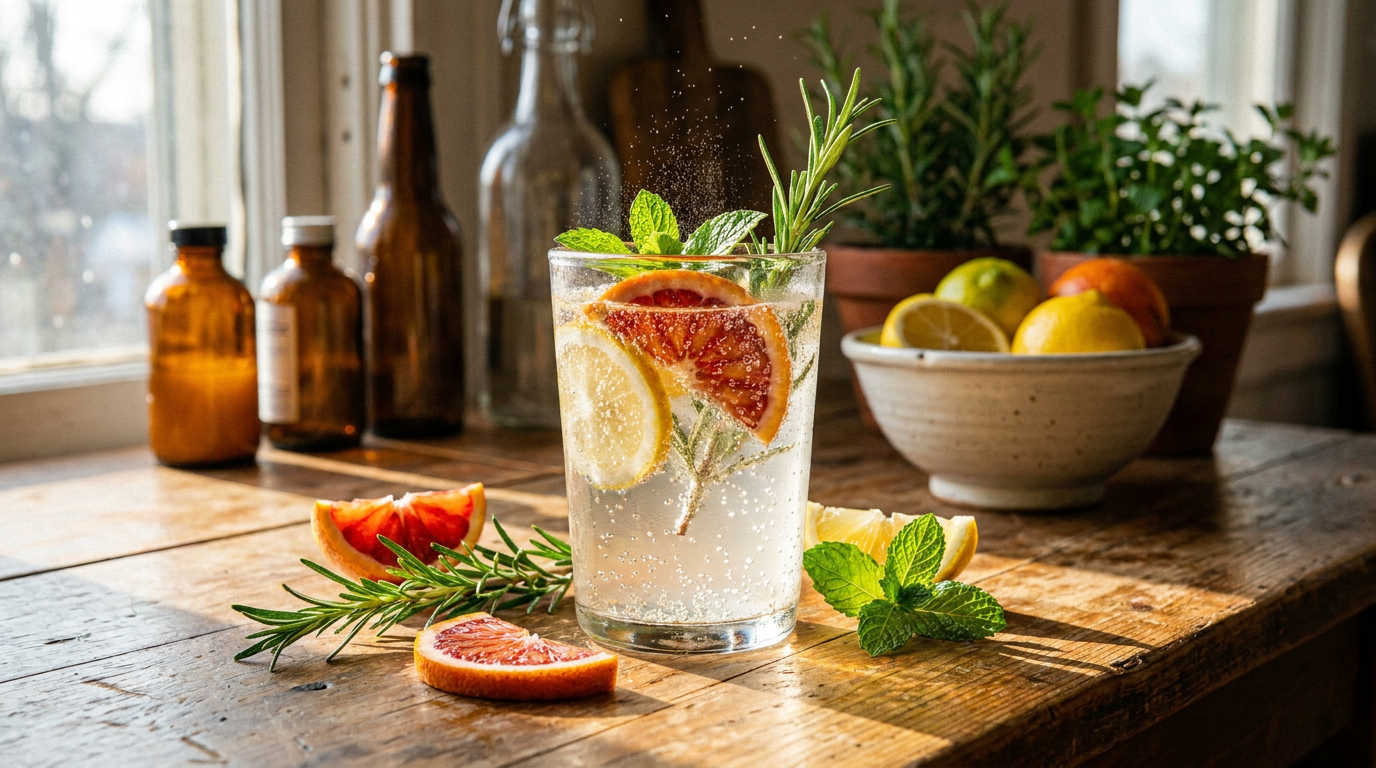
Modern soda is easy to recognize and surprisingly hard to fake. At its core, it is a carbonated soft drink built to craft-quality standards: a distinctive, layered flavor rather than a generic sugar rush, meaningfully lower sugar than legacy soda, a clean and recognizable label you can read without a chemistry degree, premium presentation on the shelf, and a real drinking experience. That last phrase matters. A modern soda is a beverage you drink because you want to, not a supplement in disguise that you tolerate because it is supposedly good for you. The pleasure is the point.
To understand why this definition matters commercially, look at the numbers. The global craft soda category is valued near 17.5 billion dollars in 2026 and is projected to move toward 30 billion dollars by 2034, growing at roughly a 7 percent compound annual rate, according to . That is not a niche experiment. That is a mature, expanding category with room to run, and it is being pulled forward by exactly the qualities we just described: better flavor, cleaner formulation, and premium positioning that shoppers are willing to pay for.
Fortune Business Insights
Now set that against the functional soda story that gets all the press. Prebiotic and probiotic sodas are growing fast, and they deserve their moment, but the category remains a much smaller slice of the whole. projects the probiotic and prebiotic soda market near 558 million dollars in 2026. Put those figures side by side and the contrast is striking.
Grand View Research
Craft soda is a roughly 17.5 billion dollar global category in 2026. Prebiotic and probiotic soda is closer to 558 million. The functional story is loud, but the flavor story is larger.
That comparison is the foundation of this entire article. The headlines chase function because function is novel and easy to write about. Meanwhile, the far bigger opportunity has been sitting in plain sight, growing steadily on the strength of taste and quality.
The U.S. picture adds another layer. Craft soda is still a small share of the total carbonated soft drink market, which remains dominated by legacy cola and lemon-lime giants. But small share does not mean small value. Craft soda commands premium pricing, and the average selling price per can keeps climbing as consumers trade up, a dynamic detailed by The temptation, once you understand the scale and the premium, is to reach for a health claim to justify the price. That instinct is exactly backward. Here is why the winners are leading with flavor instead.
Ken Research
It helps to place modern soda inside the broader vocabulary the industry now uses every day. "Clean label" describes the short, recognizable ingredient decks shoppers increasingly demand. "Better-for-you beverages" is the umbrella term for drinks that reduce the negatives, chiefly sugar, without necessarily adding functional claims. "Reduced sugar" has moved from marketing bonus to baseline expectation. And "ready-to-drink," or RTD, captures the grab-and-go convenience that makes carbonated soft drinks such a durable format. Modern soda lives at the intersection of all four. It is clean-label, better-for-you, reduced-sugar, ready-to-drink, and above all, delicious.
. This is the classic premiumization curve: modest volume growth paired with rising price realization, because people will pay more for something that genuinely tastes better and feels more considered.
From Health Claims to Flavor-Forward Craft: The Counter-Trend POV
Every category eventually reaches a saturation point, a moment when the thing that once made a product stand out becomes the thing that makes it blend in. Functional soda has arrived at that moment. When nearly every new launch waves the same wellness flag, the flag stops working. The shelf becomes a sea of sameness, and the shopper's eye glazes over. In that environment, the most disruptive move is not another claim. It is the confident absence of one. A claim-free, flavor-first soda now stands out precisely because it is genuinely delicious and effortless to trust.
Call it claim fatigue. Shoppers have grown fluent in reading between the lines, and many are quietly exhausted by drinks that read like supplement labels. They want taste and transparency together, not one traded for the other. The industry has noticed. As coverage of This is where our point of view as developers gets sharp. Flavor is the product. A health claim is a feature, not a foundation. If the liquid is not craveable, no claim will save it, because repeat purchase is driven by the second sip, not the front-of-pack copy. We have seen beautifully engineered functional beverages die on the shelf because they simply did not taste good enough to buy twice. And we have seen simple, claim-free sodas build loyal followings on flavor alone. The lesson repeats itself: build the crave first, and everything else becomes easier.
better-for-you reformulation
makes clear, the expectation now is that a drink deliver on flavor and clean formulation simultaneously. Taste and transparency travel together. A great label with a mediocre liquid is a broken promise. A great liquid with a short, honest label is a product people come back for.
"We build with you, not for you, and the first thing we build is a flavor worth coming back to."
Culture is backing this up in real time. Look at the explosion of "dirty soda," the build-your-own phenomenon of classic soda dressed up with cream, syrups, fruit, and flourish. It is pure flavor theater, and consumers are eating it up. Data covered by shows U.S. awareness of dirty soda climbing from about 56 percent to 75 percent between 2025 and 2026. That is not a health story. Nobody orders a dirty soda for their microbiome. They order it for the experience, the novelty, and the flavor. The build-your-own beverage era is proof that Americans are hungry for taste and delight, not another label to decode.
Morningstar
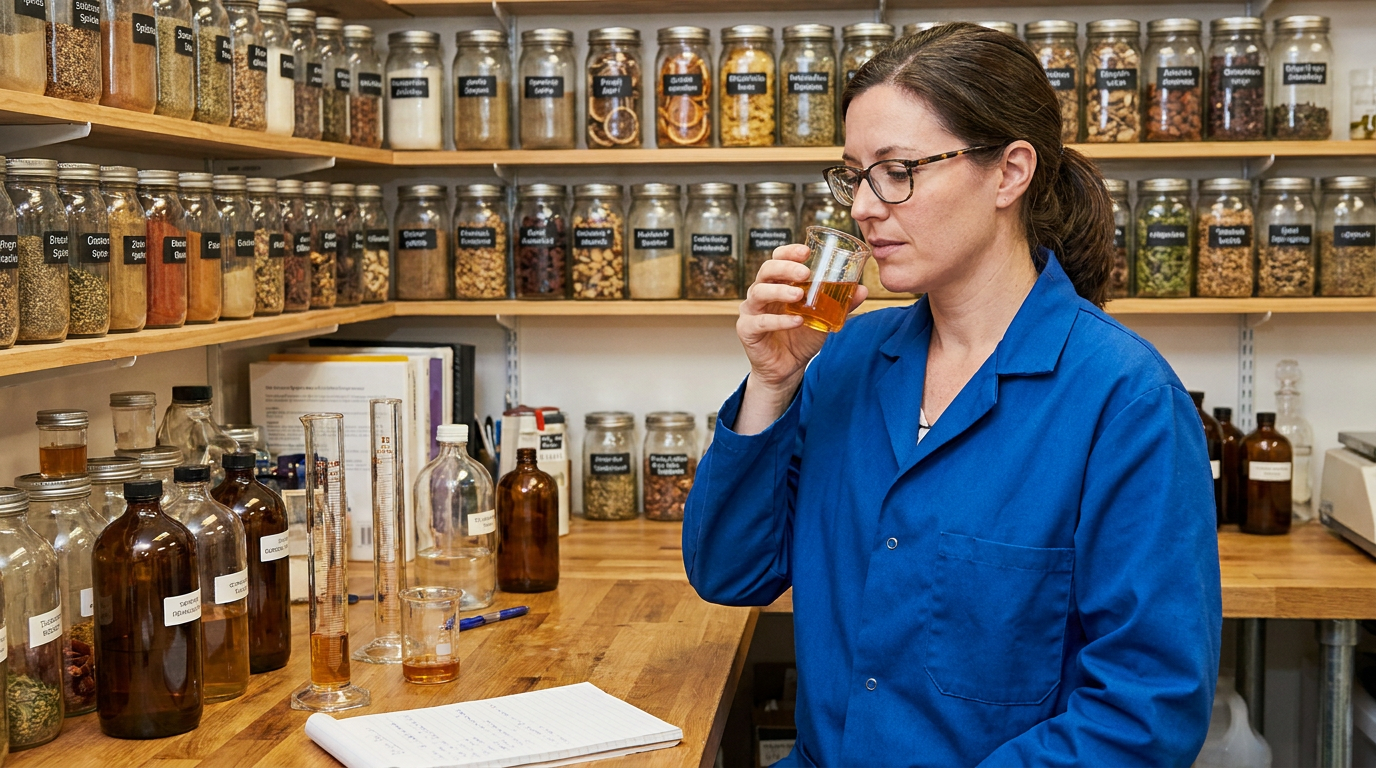
So what does the modern soda trend 2026 actually represent? It is a redefinition of the word "better." For years, "better soda" meant added function: more probiotics, more adaptogens, more of something bolted on. The new definition of "better" is better flavor and cleaner formulation, subtraction rather than addition. Less sugar, a shorter ingredient list, and a taste that is more interesting, not less. Function can still exist, and for some brands it should. But it becomes a bonus riding on top of a great drink, never the reason the drink exists.
This is Of course, saying "flavor first" is easy. Delivering a flavor-first soda that is also lower in sugar is genuinely hard, because the moment you pull sugar out, you have to rebuild the entire experience. That work starts with the sweetener system.
our approach to building products that work in the real world
, and it is why our Design, Develop, Deliver process starts with the liquid every single time. We do not design a claim and then reverse-engineer a beverage to justify it. We design a flavor worth craving, then decide what, if anything, deserves to sit alongside it. It is a subtle shift in philosophy with enormous consequences for what ends up in the can.
Lower Sugar, Better Sweetness: Designing the Sweetener System
Let us start with the reality that shapes every modern soda project: reduced sugar is no longer a differentiator. It is table stakes. Consumer preference has shifted decisively toward lower-sugar options, dietary awareness has gone mainstream, and regulatory and tax pressure on sugar continues to mount across markets worldwide. A modern soda that arrives loaded with sugar is a modern soda that missed the memo. The question is not whether to reduce sugar. The question is how to reduce it without wrecking the drink.
And here is the part most people outside product development never fully appreciate: sugar does far more than make things sweet. Sugar builds body. It creates mouthfeel. It rounds out flavor, tames acidity, and carries aromatics across the palate. When you remove it, you do not just lose sweetness. You lose structure. A carelessly reformulated diet soda tastes thin, sharp, and hollow because the scaffolding that sugar provided is gone and nothing was built to replace it. That is why cutting sugar means re-engineering the whole system, not swapping one ingredient for another. As has detailed, sugar-free reformulation is fundamentally about rebuilding sweetness and structure from the ground up, not simply subtracting.
FoodNavigator
So how do modern developers actually do it? The answer is a sweetener system, usually a thoughtful blend rather than a single hero ingredient. Here are the building blocks in plain language:
- High-purity stevia, such as Reb M, delivers clean sweetness with far less of the licorice-like bitterness that gave early stevia its bad reputation. A Frontiers review on stevia-derived sweeteners documents how purity, blending, and sensory optimization have transformed what stevia can do.
- Monk fruit offers another clean, plant-derived sweetness with its own flavor character, often blended to fill gaps that stevia leaves behind.
- Rare sugars like allulose bring something special: they taste and behave much like sugar, contributing genuine body and browning behavior with minimal caloric and glycemic impact. Coverage from BeverageDaily points to allulose as a defining ingredient in the next generation of sweetening.
- Polyols like erythritol add bulk and a cooling sweetness that can smooth out a blend, used judiciously to avoid off-notes.
The magic is in the blending. No single sweetener is perfect on its own. Stevia can linger. Monk fruit can read differently across a formula. Erythritol can cool too aggressively at high levels. But blended with intention, these ingredients cover one another's weaknesses, smoothing the onset of sweetness and reducing the lingering off-notes that betray a cheaply made diet drink. Increasingly, developers also lean on sweetness modulators, ingredients that do not sweeten much themselves but shape how sweetness is perceived, making a modest sweetener load taste fuller and more sugar-like.
There is also a cleaner-label sourcing story worth telling. Precision fermentation and enzymatic conversion now allow sweeteners to be produced in ways that are both cleaner-tasting and cleaner on the label. Ingredient authorities like Get the sweetness right and you have a drink that is pleasant. But pleasant is not the same as craveable. Craveable is where the flavor itself, the botanicals and natural profiles, carries the drink from good to unforgettable.
Cargill
Our approach at Menu Collective is disciplined about sequence. We define the Gold Standard sweetness target first, the exact sensory experience we want the finished drink to deliver, and only then do we build the system to hit it. That order is deliberate. Chasing an ingredient list before you know your target is how projects drift. We balance four constraints at once: taste, cost, regulatory compliance, and scalability. A sweetener blend that tastes perfect but costs too much or cannot survive scale-up is not a solution. It is a science project. The real craft is landing all four at the same time.
have built entire toolkits around sugar reduction that address not just sweetness but body and bulking, the structural jobs sugar used to do quietly in the background. This matters enormously, because the goal is not merely fewer calories. The goal is a drink that still feels complete.
Natural Flavors and Botanicals: Where Craft Lives
If sweetness is the foundation, flavor is the personality, and personality is where modern soda actually wins. The legacy soda world was built on a handful of archetypes: cola, lemon-lime, root beer, orange, ginger. Those flavors are timeless, but they are also crowded, and no one is building a challenger brand by making a slightly different cola. The modern soda opportunity lives well beyond those classics, in flavor territory that legacy giants rarely touch. This is where craft lives, and it is the single most important competitive battleground in the category.
Consider the range of directions available to a developer today. Elderflower brings a delicate floral sweetness that feels sophisticated without being fussy. Hibiscus adds a tart, ruby-red brightness that photographs beautifully and tastes even better. Yuzu offers a citrus complexity that lands somewhere between grapefruit, mandarin, and lime. Tamarind delivers a sweet-sour depth beloved across Latin American and South Asian traditions. Lavender and verbena introduce herbal, aromatic notes that elevate a soda toward something you would expect from a craft cocktail. Spiced colas reinvent the most familiar flavor on earth with cardamom, cinnamon, or citrus peel. And regional or seasonal fruit blends give brands a reason to launch limited editions that keep fans coming back to see what is next. Datassential's look at tracks exactly this appetite for elevated, globally inspired profiles moving from menus into packaged goods.
2026 must-have flavors
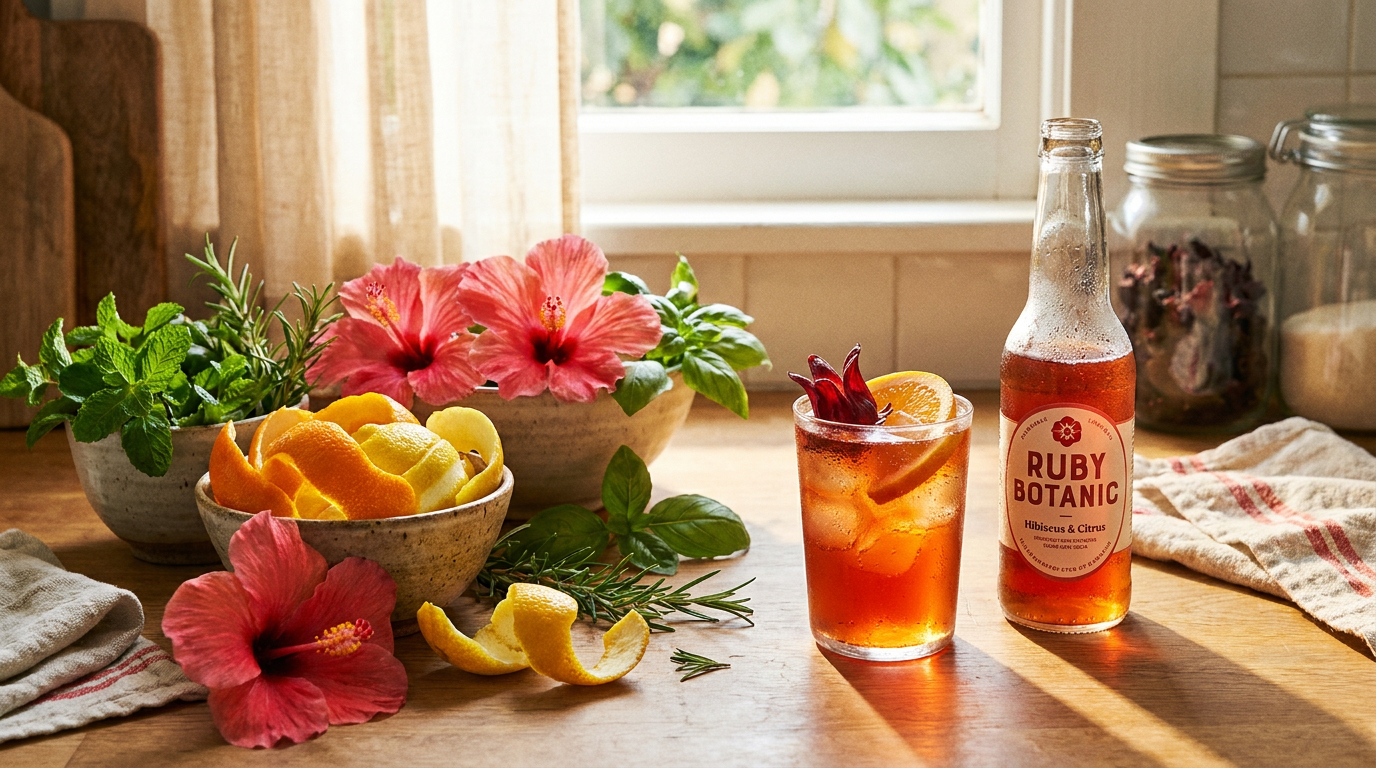
Here is a developer trick that ties flavor back to everything we discussed about sugar. Botanical layering does double duty. Yes, it makes a soda more interesting and distinctive. But it also adds complexity and perceived roundness that helps offset reduced sugar and mask the subtle off-notes that high-intensity sweeteners can leave behind. A well-built botanical profile fills the sensory space that sugar used to occupy, giving the palate more to focus on than sweetness alone. Research on supports this directly: strategic use of flavor and aromatics is one of the most effective ways to make a lower-sugar drink taste full and satisfying. The botanicals are not just decoration. They are structural.
overcoming sensory barriers in sugar-free beverages
There is a sourcing discipline that makes or breaks the clean-label promise here. It is not enough to reach for whatever flavor system is cheapest and most convenient. Clean, natural flavor sourcing keeps the label short and trustworthy, which is exactly what the modern shopper is scanning for. A soda that boasts real botanical extracts and natural flavors on a compact ingredient deck earns trust that no marketing budget can buy. The label becomes part of the product experience, a quiet signal of quality that reinforces the first sip.
A few principles guide how we think about flavor development:
- Distinctiveness over familiarity. The goal is a profile someone cannot get from the giants, a flavor that becomes a brand's signature.
- Balance over intensity. A great soda is not the loudest one. It is the most harmonious, where sweetness, acidity, aroma, and botanical character all sit in tune.
- Layering over single notes. Complexity, achieved through thoughtful layering of botanicals and natural flavors, is what turns a one-and-done curiosity into a repeat purchase.
- Craveability over novelty. Novelty gets the first sale. Craveability gets the tenth. We design for the tenth.
Our philosophy is simple to state and hard to execute: any base, any format. Whether a brand wants a delicate craft botanical soda or a bold, unexpected flavor mash-up, the work is always built to taste like the Gold Standard while remaining scalable. You can see But even a masterful flavor can fall flat if the drink does not feel right in the mouth. That is the pillar most developers underweight and drinkers feel instantly: carbonation and mouthfeel.
the flavors and formats we develop with clients
as proof that range and craft can coexist, that ambitious flavor and real-world manufacturability are not opposites. The trick is refusing to compromise on either.
Carbonation and Mouthfeel: The Experience Engineers Overlook
Here is a truth that separates good soda from great soda: people taste with their whole mouth, not just their taste buds. A soda has to feel right, not just taste right. And feel is the pillar that gets overlooked most often, usually because it is the hardest to measure and the easiest to take for granted. When you drink a full-sugar legacy soda, the sugar is quietly delivering a satisfying weight and viscosity you never consciously notice. Pull that sugar out and suddenly the drink can feel thin, flat, or watery. No matter how brilliant the flavor, a watery mouthfeel undercuts the entire experience and reads, however faintly, as "diet."
The good news is that mouthfeel can be rebuilt, and modern developers have a genuine toolkit for it. Soluble fibers add body and a pleasant, rounder texture. Plant hydrocolloids like pectin and inulin can restore viscosity and a sense of fullness. Rare sugars and polyols contribute real solids to the formula, which is a large part of why allulose has become so valued. Research in highlights exactly this: rare sugars like allulose contribute solids and mouthfeel that help a reduced-sugar drink feel substantial rather than skeletal. Rebuilding body is not guesswork. It is engineering, and it is one of the quiet arts of great soda development.
Frontiers on rare sugars
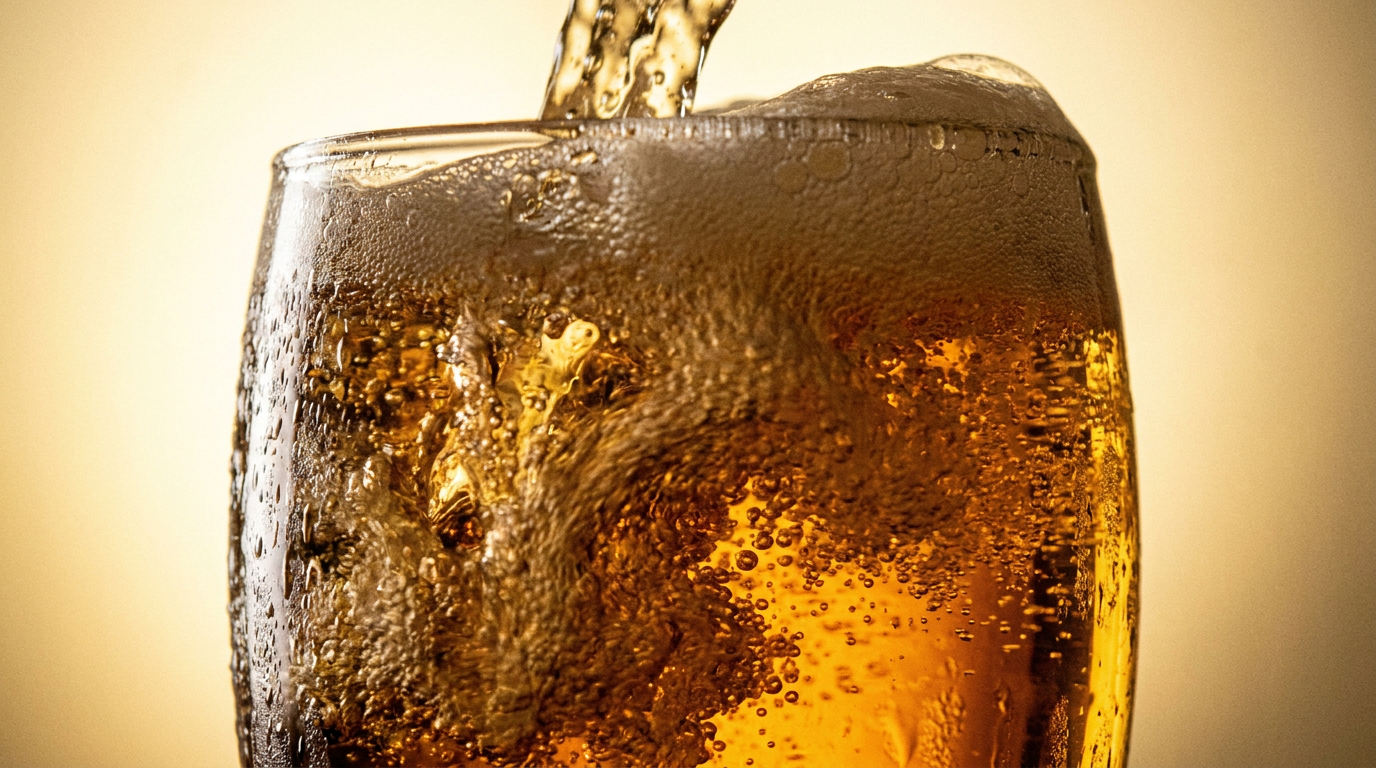
Then there is carbonation itself, which is far more than "make it fizzy." Carbonation is a design lever, and it interacts with everything else in the formula. The right level and character of fizz lifts aroma out of the glass and brightens flavor perception, making the whole drink feel more alive. But carbonation cuts both ways. Too much fizz sharpens acidity, and it can expose off-notes that a gentler carbonation would have kept hidden. Bubble character matters too. Fine, tight bubbles feel silky and premium, while coarse, aggressive bubbles can feel harsh. Getting this right means calibrating carbonation pressure to the specific flavor and sweetener system in the can, not applying a one-size-fits-all fizz. It is a dial, not a switch.
There is also the dimension of time, what we call the temporal profile. Sweetness has an onset, a peak, and a linger, and different sweeteners behave differently across that curve. Sugar has a clean, familiar arc. Some high-intensity sweeteners hit late or linger too long, which is what makes a drink taste "off" even when the ingredient list looks fine. Modulators and carefully constructed blends are tuned to mimic sugar's temporal profile more closely, so the sweetness arrives and departs the way the palate expects. Flavor houses have built deep expertise here, and resources like the A soda that tastes brilliant and feels right is a genuine achievement. But a product still has to earn its place on the shelf and its price on the tag. That is a question of positioning, nostalgia reinvented, and premium presentation.
IFF sugar reduction FAQ
Why obsess over all of this? Because the difference between a fine soda and an unforgettable one is almost never a single dramatic choice. It is the accumulation of small, deliberate decisions about carbonation pressure, bubble feel, and body, the details most teams rush past on the way to a launch date. These are the decisions we obsess over from first formulation all the way through to production, because they are what a drinker feels in the first half-second, long before they can articulate why one soda feels premium and another feels cheap. Sensory quality and shelf stability both live in these details, and both determine whether a great concept survives contact with the real world.
illustrate how flavor modulation and masking work to smooth these transitions and hide the rough edges of reformulation.
Nostalgia Reinvented and Premium Positioning
Great liquid earns the right to be sold at a premium, but positioning is what converts that right into revenue. And one of the most powerful positioning strategies in modern soda is nostalgia, reinvented. There is deep, almost primal comfort in the flavors and formats of classic soda, the fountain drinks of childhood, the glass-bottle cola at a diner, the root beer float on a summer afternoon. Modern soda taps directly into that emotional reservoir, then upgrades the experience. It takes the familiar comfort and rebuilds it with lower sugar, cleaner labels, and elevated flavor. The result is comfort with a modern conscience, a drink that feels like a happy memory but fits a contemporary life. That emotional resonance is something no functional claim can manufacture.
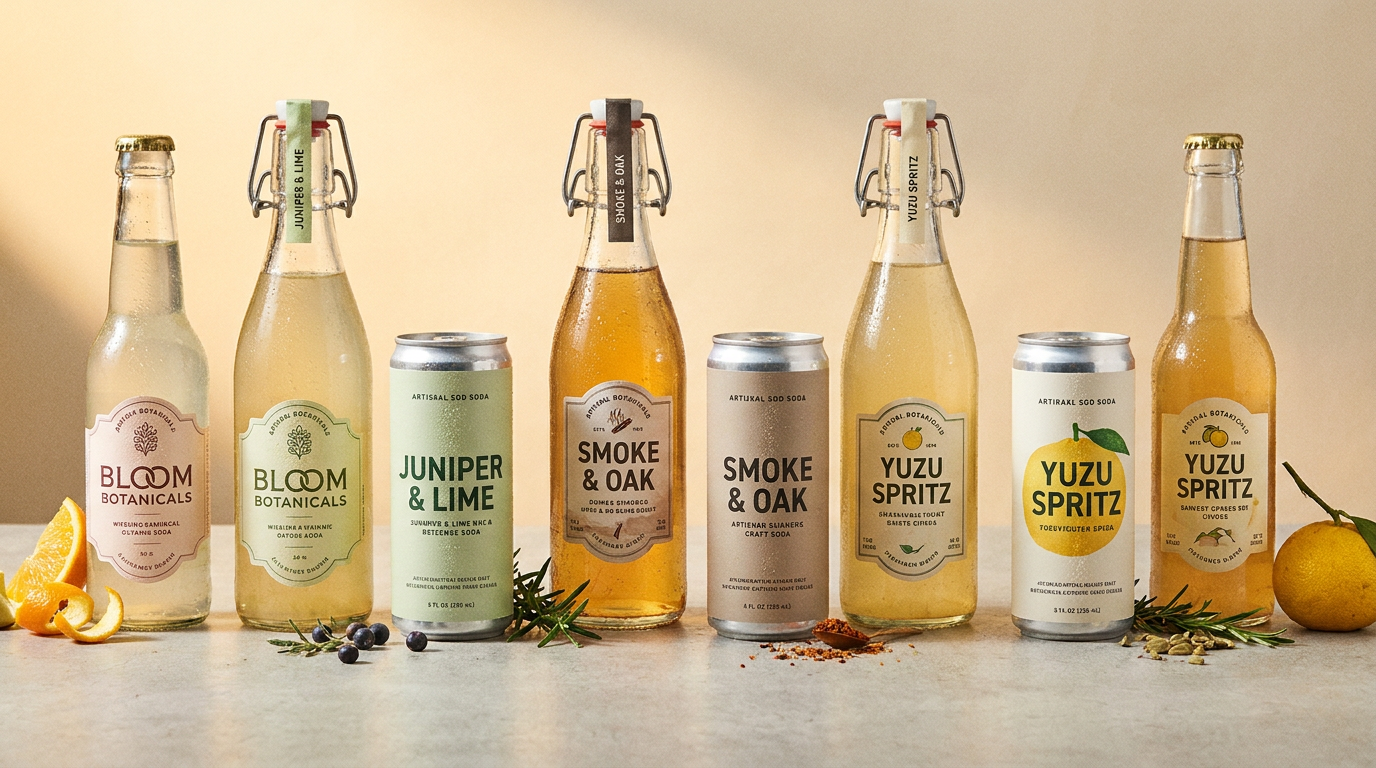
Premiumization is the other half of the equation, and it shows up first in what the drink is wearing. Packaging is a signal, and modern soda uses it fluently. Glass bottles communicate craft and care. Elevated slim cans feel modern and considered. Artisanal labeling, with thoughtful typography and restrained design, tells the shopper this is not a mass-market product before they read a single word. Limited editions create urgency and collectibility. Variety packs invite exploration and raise the average basket size. Analysis of the This connects directly back to the economics we opened with. Remember the pattern: modest volume growth paired with rising average selling price. That is premiumization in a single sentence. Consumers are not necessarily drinking dramatically more soda. They are choosing to spend more on the soda they do drink, trading up for perceived quality and a better experience. A brand that nails flavor, formulation, and presentation can capture that willingness to pay in a way that a commodity soda never can. The premium is not arbitrary. It is earned across every touchpoint, from the first glance on the shelf to the last sip in the glass.
craft soda market's premiumization and packaging
trends confirms that these visual cues are doing real commercial work, justifying higher price points by promising, and delivering, a more elevated experience.
Great positioning starts with a great liquid. Everything else, the glass, the label, the limited edition, is amplification, not substitution.
Modern soda also has momentum well beyond the retail shelf, and this cross-category reach is a large part of its long-term value. As dry January, sober-curious lifestyles, and mindful drinking continue to reshape social occasions, elevated non-alcoholic options are in serious demand. Modern sodas fit these occasions beautifully. They show up as sophisticated pours in restaurants, as signature drinks in cafes, and as the backbone of mocktail and drink-building programs where bartenders treat them as serious ingredients. The National Restaurant Association's points to exactly this momentum, with foodservice operators leaning into elevated, non-alcoholic, and experience-driven drinks. A modern soda that works in a can at retail and as a base in a craft mocktail at a bar has two markets, not one.
2026 beverage trends report
The premium signals worth building around are worth naming clearly:
- Glass bottles that communicate craft and permanence.
- Elevated slim cans that feel modern and grab-and-go premium.
- Artisanal labeling that signals quality before the first word is read.
- Limited editions that create urgency, buzz, and collectibility.
- Variety packs that encourage trial and lift basket size.
Our view is that positioning and product are not separate departments. They are two expressions of the same idea. That is why our Deliver work, the support that helps shape the sales, marketing, and distribution story, always begins from the liquid outward. We can With the liquid engineered and the positioning sharpened, the final question is the most exciting one: where exactly is the opportunity, and how do you build to capture it?
help bring your product to market
with a positioning strategy that fits the drink, because a positioning story that outruns the product in the glass collapses on the second sip. The romance of a brand has to be backed by the reality of the beverage.
Where the White Space Is: A Developer's Playbook for Building a Modern Soda
Let us name the white space directly, because clarity here is worth more than clever language. The opportunity is claim-free, flavor-first sodas that are genuinely lower in sugar, carry short and trustworthy labels, deliver distinctive botanical profiles, and land at a price that is premium yet accessible. That is the gap. The functional shelf is crowded and getting more crowded. The legacy shelf is dominated and static. In between sits a wide-open lane for beverages that simply taste extraordinary and tell an honest, uncluttered story. The brands that plant a flag in that lane, and execute the craft to back it up, have room to grow.
So how do you actually build one? Here is a concise build sequence, mapped to our Design, Develop, Deliver process:
- Define the Gold Standard flavor target. Before touching an ingredient, decide exactly what the finished drink should taste and feel like. This target governs every decision that follows. Without it, projects drift and compromises accumulate.
- Engineer the sweetener and mouthfeel system together. Choose and blend sweeteners to hit the target, then rebuild the body and viscosity that lower sugar took away. These two problems are one problem and must be solved as a unit.
- Build the flavor with botanicals and natural extracts. Layer distinctive, craveable profiles that carry the drink and mask any sweetener off-notes, all while keeping the label short and clean.
- Calibrate the carbonation. Tune fizz level and bubble character to lift the specific flavor without sharpening acidity or exposing off-notes. Dial it in, do not default it.
- Ensure regulatory compliance. Confirm the formula, claims, and label meet the requirements of every market it will enter, before scale-up rather than after.
- Scale to the first production run. Translate the bench formula into a repeatable, consistent product that tastes like the Gold Standard on the first can and the millionth.
That last step is where more concepts stumble than anywhere else, so let us be honest about the challenges rather than pretend they do not exist. Repeat purchase, the only thing that actually builds a brand, depends entirely on craveability, which means there is no shortcut around getting the flavor genuinely excellent. Rare sugars and clean botanical extracts, the very ingredients that make a modern soda great, often cost more than the cheap alternatives, so cost engineering is real work, not an afterthought. And quality consistency at scale is brutally difficult. A formula that sings in a 20-liter pilot batch can wobble when it hits a full production line, and holding the Gold Standard steady across massive volume is precisely where experience earns its keep. Research on underscores how delicate the balance is between sensory quality, health goals, and manufacturability. None of this is a reason not to build. It is a reason to build with people who have done it before.
sugar reduction trends and sensory perspectives
Which brings us back to the thesis one last time. In the modern soda trend 2026, flavor is enough when it is truly excellent. Function can be a bonus, a bit of extra value riding on top, but it is not the whole story and it never was. The whole story is a drink so good you reach for it again without thinking, one that happens to have less sugar and a label you can read and trust. That is the product worth building.
Our role in all of this is straightforward. We build , alongside you rather than in place of you, so the product tastes like the Gold Standard on day one and on the millionth can. If you want to know more about before that conversation, it is all there. But the real invitation is simpler than any credential. Picture the modern soda you would be proud to put your name on. That drink is buildable. Let us talk about building it.
our team and experiencefrom first formulation to first production run
Conclusion
Underneath all of it sits a single belief, and it is the note we want to leave you on. When flavor is truly great, flavor is enough.
We have walked the whole arc together. We defined modern soda and sized a category worth roughly 17.5 billion dollars globally in 2026, dwarfing the functional slice it is so often compared to. We made the flavor-first case and showed how culture, from claim fatigue to the rise of dirty soda, is proving it out. We got technical where it counts: engineering sweetener systems that rebuild what sugar leaves behind, layering botanicals that make lower-sugar drinks taste full and distinctive, and calibrating carbonation and mouthfeel so a great flavor actually feels great in the mouth. We connected craft to commerce through reinvented nostalgia and premium positioning, and we mapped the white space with a real developer's playbook.
The beverage aisle has spent years getting louder, each new soda shouting a bigger promise than the last. The counter-trend, and the opportunity, is to stop shouting. As functional soda crowds the shelf, the standout move is a modern soda that wins on craft flavor, lower sugar, and a clean label alone, without leaning on a health claim to earn its place.
Let's Build Your Modern Soda Together
We build with you, not for you, from concept to commercialization. If you have a modern soda idea, or even just the beginnings of one, the best next step is a conversation about your concept and your Gold Standard flavor target, the exact experience you want in the glass.
If you are ready, . If you want a little inspiration first, and imagine what we could develop with you.
see what we have developedlet's build it together
Let's design, develop, and deliver your modern soda.