
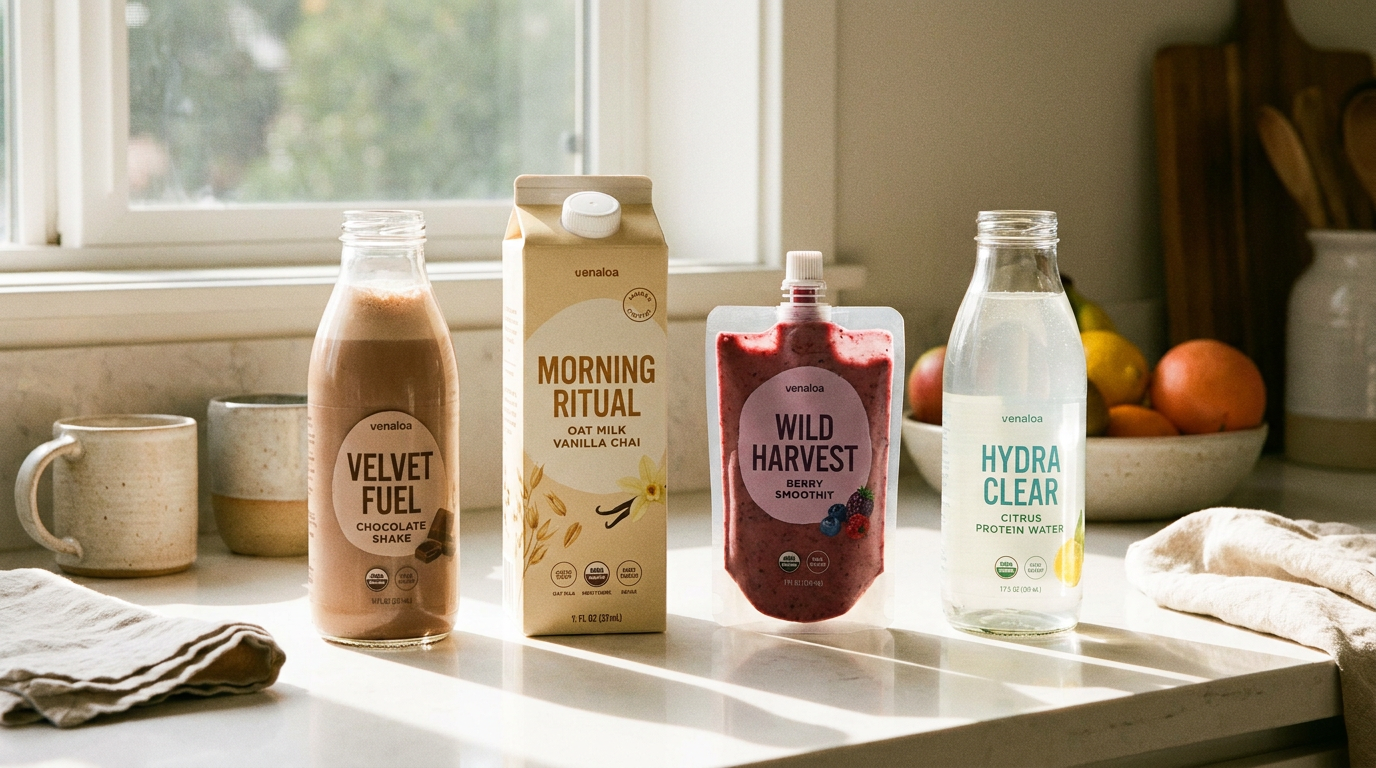
Picture the shopper standing in front of the cold case. She is not wearing gym clothes. She has not just finished a set of deadlifts. She is running late, she skipped breakfast, and she wants something that feels like a small act of self-care between a meeting and a school pickup. Her hand reaches past the sugary bottled latte and lands on a protein drink. Not because she is chasing a personal record, but because she wants to feel full, focused, and a little more like she has her life together. That single reach is the whole story of modern protein.
For years, protein beverages lived in one aisle and one mindset. They were the domain of the athlete, the bodybuilder, the weekend warrior with a shaker bottle rattling in the car cup holder. That world has quietly and completely changed. Protein has become a mainstream wellness cue, a shorthand for "this will actually do something good for me." And the drinks that win in this new landscape are not the ones with the loudest label. They are the ones that got the hard part right. That hard part is protein beverage formulation, and it is far more demanding than dropping powder into liquid and shaking.
This is a build guide, written from the perspective of a team that develops these products for a living. We are going to walk the full arc of protein beverage formulation the way a real development project unfolds: choosing a protein source, picking a format, solving the genuinely tricky formulation challenges around solubility and mouthfeel, deciding on fortification levels and label claims, and finally reckoning with processing choices like UHT and HPP that can quietly make or break your finished product. Along the way we will show how the work actually gets done, from concept to commercialization.
Our promise is practical guidance, not marketing fluff. By the end, you should understand why a great protein drink is an engineering achievement disguised as a simple beverage, and you should be able to see the decisions behind every sip.
Protein Goes Mainstream: Why the Category Left the Gym Behind
The most important shift in the protein category has nothing to do with the protein itself. It is a shift in why people buy it. Protein used to be a performance ingredient, purchased with a goal in mind: recover faster, build more, train harder. Today it is a wellness ingredient, purchased with a feeling in mind: stay full, eat cleaner, feel steady through a long afternoon. That reframing, from sports nutrition to everyday better-for-you, is what pulled protein out of the gym bag and into the mainstream refrigerator.
You can see it in how people talk about food now. The phrase "food as fuel" has migrated from athletic circles into ordinary kitchen conversations. Satiety, once a clinical term, is now a selling point. Shoppers who would never call themselves fitness enthusiasts still want their breakfast to hold them until lunch, and they have learned that protein is the lever that does it. Layer on the broader clean-label movement, where people scan ingredient lists the way they once scanned nutrition panels, and you have a consumer who wants protein andConsumption occasions have expanded right along with the mindset. The old model assumed a single moment of use, the post-workout window. The new model is scattered across the entire day. A protein drink is a grab-and-go breakfast at 7 a.m., a desk-side pick-me-up at 3 p.m., and a guilt-reducing swap for a dessert-like coffee drink after dinner. Each of those moments favors convenience and portability, which is exactly why ready-to-drink formats have surged past powders and bars for so many buyers. Nobody wants to measure scoops in a moving car.
wants it delivered without a paragraph of unpronounceable additives.
The market data backs up what the aisle already shows. Industry trend watchers have flagged functional, better-for-you beverages as a defining direction, with the National Restaurant Association's pointing squarely at this appetite for drinks that do more than quench thirst. On the numbers side, research into the shows a category with real, sustained growth momentum rather than a passing spike. RTD protein and plant-based protein beverages are no longer proof of a trend. They are proof of demand.
ready-to-drink protein beverages marketWhat's Hot in 2026 outlook on healthier, functional beverages
Who is actually drinking all of this? The consumer profiles have widened dramatically:
- Busy professionals who treat a protein shake as a reliable, portable breakfast they can drink one-handed.
- Older adults focused on healthy aging, for whom protein intake is tied to maintaining muscle and staying strong and independent.
- Flexitarians who are cutting back on meat and looking to plant-based protein beverages to fill the gap.
- Mainstream health-seekers who simply want a better-for-you option and have decided protein is the marker of "better."
Now that we understand why the demand is real and durable, we can turn to the first real build decision. Before you think about flavor, format, or claims, you have to decide what your protein is actually made of.
That breadth is the opportunity, and it is also the trap. A category this wide tempts brands into thinking any competent formula will find an audience. It will not. A trend gives you a first purchase. Great protein beverage formulation is what turns that trend into a product people actually repurchase, because it tastes good, feels right in the mouth, and delivers what the label promises every single time.
Choosing Your Protein Source: Whey, Casein, Milk, Pea, Soy, Collagen, and Blends
Every protein source is a character with its own strengths, quirks, and secret temper. Choose the right one and it works quietly in the background, delivering nutrition and body without complaint. Choose the wrong one for your format and it will fight you at every step, clouding a drink that was supposed to be clear or turning a smooth shake gritty on the tongue. The source you pick is the first fork in the road of protein beverage formulation, and nearly every downstream decision inherits its consequences.
Start with the dairy family, still the backbone of the category. Whey protein is the sprinter of the group: fast-digesting, prized for its amino acid profile, and beloved in sports positioning. But whey has a temperament. At neutral pH, keeping it clean and soluble becomes a real challenge, and it has a well-documented tendency toward astringency, that dry, mouth-puckering sensation that can make an otherwise pleasant drink feel unfinished. As the peer-reviewed details, whey's behavior around solubility and heat stability at neutral pH is one of the central puzzles developers work to solve. It is a fantastic protein that demands respect.
invited review on shelf-stable dairy protein beverages
Then there is casein and milk protein, the slow, luxurious cousins. Casein digests gradually and brings a genuinely richer, rounder mouthfeel, which is why milk proteins and milk protein blends are so often the heart of an indulgent shake. Their catch is heat sensitivity. Push them too hard during thermal processing and you risk texture changes that ruin the very creaminess you selected them for. This is why so many formulators reach for milk protein blends, balancing the speed and profile of whey against the body and richness of casein to get the best of both personalities in one glass.
On the plant side, the cast has grown up considerably. Pea protein has become a workhorse thanks to strong nutritionals and broad allergen-friendliness, but it arrives with a distinctive personality: beany, earthy, sometimes vegetal off-notes that a flavor system has to manage rather than ignore. Soy protein offers a complete amino acid profile and decades of familiar functionality, making it a reliable choice, though it comes with its own labeling and consumer-perception considerations. Across plant proteins generally, grittiness and solubility are recurring themes. These proteins want to remind you they came from a seed or a legume, and part of the craft is helping them forget.
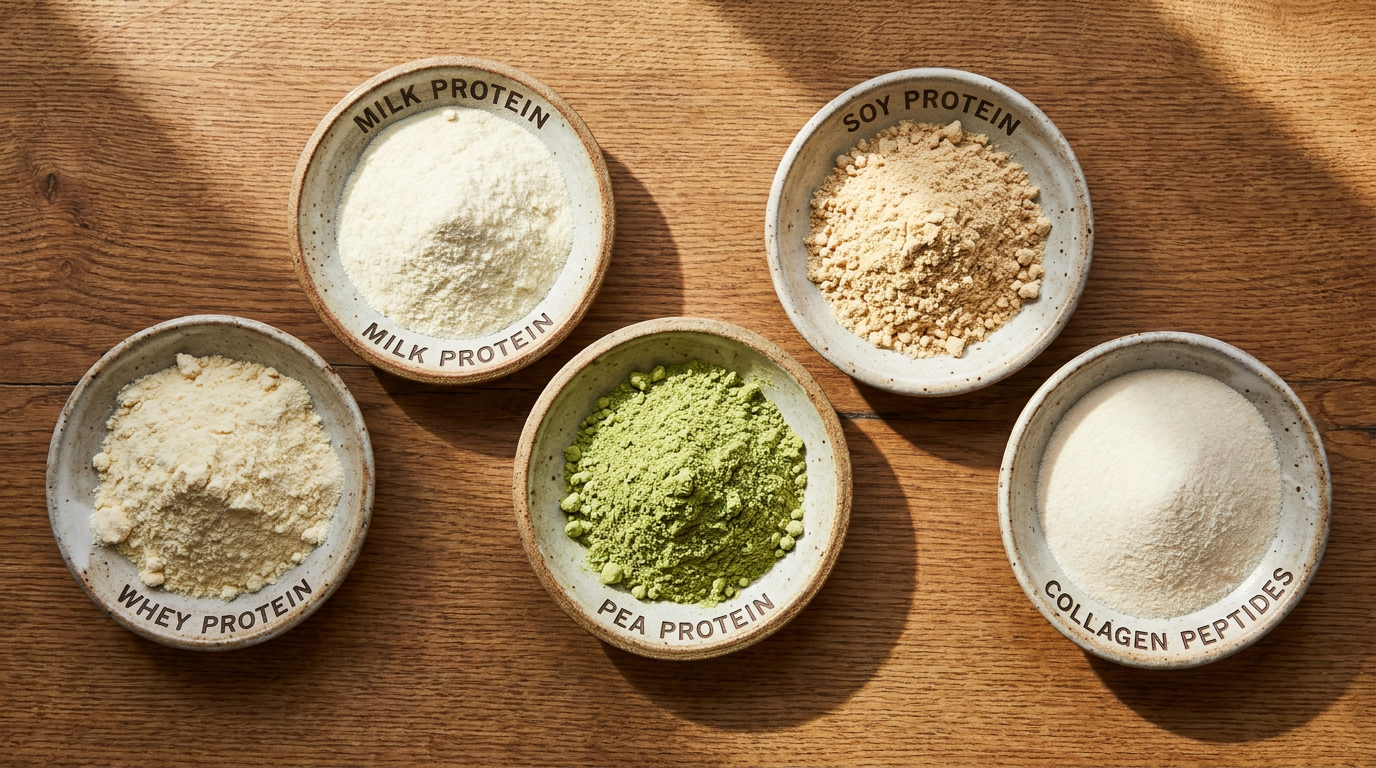
Collagen sits in its own category. It is remarkably soluble, which makes it a natural fit for clear formats and the fast-growing "beauty from within" positioning. A crystal-clear protein water with a beauty story is very often a collagen story. But collagen is not a complete protein, and it carries its own claim nuances that have to be handled honestly on the label. It is a specialist, not a generalist, and it shines when its role is understood.
This is where blends earn their keep. Combining sources lets a formulator engineer around the weaknesses of any single protein:
- Amino acid profile: pairing an incomplete protein with a complementary one to round out nutrition.
- Cost: balancing a premium protein against a more economical partner without giving up quality.
- Mouthfeel: using one source's body to soften another's thinness or astringency.
- Stability: blending proteins that behave differently under heat or over shelf life to smooth out the finished product.
Every one of these choices ties directly back to consumer positioning. A dairy-based shake signals indulgence and comfort. A plant-based protein beverage signals clean-label, plant-forward values. A clear collagen water signals lightness and beauty. There is no universally "best" protein, only the right protein for the product you are trying to build and the person you are building it for. Getting that match right is precisely the kind of judgment call that With a protein source in mind, the next decision shapes everything a consumer sees and feels before they even taste it: the format.
our beverage formulators
make at the very start of a project, because a misstep here echoes through everything that follows.
Picking the Right Format: RTD Shakes, Protein Waters, Clear Proteins, and Shots
Format is the first thing your consumer experiences and the last thing they forget. Long before the amino acid profile registers, they have judged your drink by how it looks in the bottle, how it feels going down, and how it fits the moment they are in. A thick, creamy shake and a crystal-clear protein water might contain the same grams of protein, but they are entirely different products serving entirely different lives. Choosing a format is not a cosmetic decision. It sets the ceiling for how much protein you can realistically deliver and it quietly pre-selects your processing path.
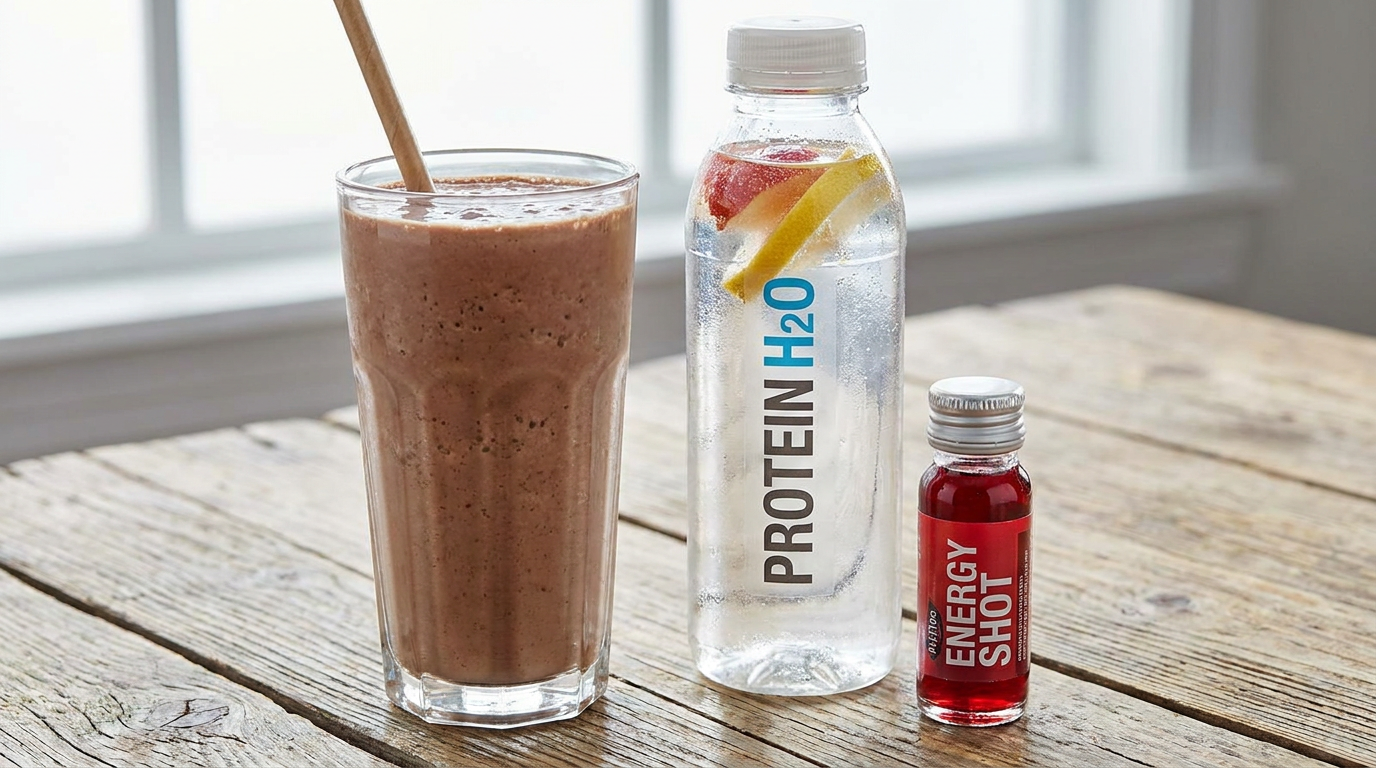
Consider the RTD shake, the most familiar shape in the category. This is the indulgent end of the spectrum, whether dairy or non-dairy, and it is where higher protein loads live comfortably. In a shake, mouthfeel is the hero. Consumers expect body, creaminess, and a satisfying sense of substance, so the formulation leans into richness rather than fighting it. This is the format for the person who wants their protein drink to feel like a small meal or a treat, which is why dairy proteins and generous fortification levels find such a natural home here. The engineering challenge is delivering that richness while keeping the product stable and pleasant across its whole shelf life.
At the opposite pole sit protein waters and clear proteins. These are light, refreshing, and often startlingly transparent, a look that signals cleanliness and low indulgence. Achieving that clarity typically means reaching for hydrolyzed whey or specially clarified proteins that stay dissolved without clouding the liquid. The consumer expectation here is low viscosity and a thirst-quenching feel, closer to a flavored water than a milkshake. That expectation is unforgiving: any haze, any sediment, any hint of grittiness reads instantly as a defect because there is nowhere for it to hide. Clarity is a promise, and the formula has to keep it.
Running through both of these is the dairy versus non-dairy decision, which reshapes far more than the ingredient list. The base changes the entire flavor system, because a dairy backdrop and a plant or water backdrop call for different flavor architecture to taste balanced. It changes stability behavior, since different bases interact differently with heat and time. And it changes the claims you can make, from allergen statements to the plant-based and dairy-free callouts that mean so much to specific shoppers. The base is not a detail. It is a strategic fork that touches flavor, stability, and positioning all at once.
Then there is the protein shot, the compact power player. Small in volume and high in concentration, the shot is built for speed: a fast consumption occasion where someone knocks it back in seconds. That concentration is exactly what makes it so demanding to formulate. When you pack a lot of protein into a tiny amount of liquid, every off-note is amplified and precise dosing becomes critical. Masking those concentrated flavors while keeping the shot palatable is a real feat of formulation, and it is unforgiving of shortcuts.
The through-line across all four formats is this: format sets the realistic ceiling for protein content and steers you toward thermal or non-thermal processing down the line. A high-protein creamy shake and a delicate clear water simply cannot follow the same manufacturing path without consequences. That is why smart development starts with the end in mind. When we help a brand Format choice also loops directly back to the consumption occasions we mapped earlier. The busy professional's one-handed breakfast wants a shake with staying power. The afternoon refresher wants a light protein water. The person grabbing something fast at the counter wants a shot. Match the format to the moment and you are halfway to a repeat purchase.
start with their format
, we are really making a series of coordinated decisions about protein type, protein load, sensory target, and eventual production method, all at once.
Our own hands-on RTD work illustrates how much the format itself dictates the development path. In our Once format and source are chosen, the real engineering begins, because protein does not always cooperate in liquid.
RTD cold brew shandy formulation project
, the format and scale-up demands shaped nearly every decision, a reminder that the shape of a beverage is never an afterthought. It is the frame everything else has to fit inside.
The Formulation Challenges: Solubility, Stability, Off-Notes, and Mouthfeel
Here is the part of protein beverage formulation that separates a product people love from a product people finish once and never buy again. Protein is a magnificent but temperamental ingredient. In a dry powder it behaves. In a bottle, over months, at a certain pH, after a heat treatment, it can turn on you. This section is the technical heart of the craft, and understanding it is what makes you respect the developer's work and, frankly, what saves brands from expensive, avoidable failures.
Start with solubility and hydration, because everything begins here. Dry protein does not simply vanish into liquid. It needs to hydrate properly, and if it does not, the consumer tastes the consequences as grittiness and sees them as sediment settling at the bottom of the bottle. Proper hydration is a process, and the order of addition matters more than beginners expect. Introduce proteins, minerals, and stabilizers in the wrong sequence and you can lock in defects that no amount of downstream fixing will remove. The is a reminder from academic authority that hydration and solubility are foundational, not optional, steps in the build.
Formulating Dairy Protein Beverages guidance from the University of Wisconsin Center for Dairy Research
Next comes sedimentation and shelf-life stability, the slow-motion failure mode. A drink can look perfect on day one and betray you by week six. Protein particles interact with each other and with other ingredients over time, gradually clumping and settling. A well-designed stabilizer system keeps everything suspended and the appearance consistent from the first bottle off the line to the last one purchased before expiration. Consumers do not distinguish between a stability defect and a quality defect. To them, sediment simply means "something is wrong with this," and they act accordingly.
Then there is heat stability, which is where good formulas go to die. When protein meets high temperature during processing, it can aggregate and even gel, transforming a smooth liquid into something curdled or thickened. This risk is especially sharp at neutral pH and with certain plant proteins, a behavior explored in detail in that . A formula that tastes wonderful in the lab can fail catastrophically the moment it hits real thermal processing, which is exactly why heat stability has to be designed in from the beginning rather than discovered at the plant.
invited review on shelf-stable dairy protein beverages
In our experience, mouthfeel is where protein beverages are truly won or lost. A consumer may never articulate why one drink feels premium and another feels chalky, but their taste buds decide in the first sip, and their purchase decision follows. That single sensory impression carries more weight than any claim on the label.
That developer point of view leads straight into protein-flavor interactions and off-notes. Proteins are not flavor-neutral canvases. Whey can carry cardboard notes. Plant proteins bring beany and grassy character. These off-notes are not defects of a bad batch; they are inherent to the ingredients and must be actively managed. A thoughtfully engineered flavor system and masking strategy does not just add taste on top of the protein. It works with the protein's own character, covering what needs covering and complementing the rest, so the final drink tastes like a beverage rather than a supplement.
Astringency and mouthfeel deserve special attention because they are so easy to overlook and so devastating when ignored. Astringency is that dry, puckering, almost chalky sensation, and with whey it has a specific mechanism: protein aggregates interact with the proteins in your saliva, creating that mouth-drying effect in real time as you drink. Managing it means managing particle interactions, viscosity, and body all together. Mouthfeel is not a garnish. It is the emotional core of the drinking experience, the thing that makes a product feel indulgent or thin, premium or cheap.
Sitting underneath all of these challenges is pH management, the master dial. pH drives solubility, dictates how tart or smooth the drink tastes, governs stability over time, and even narrows your processing options. Nudge the pH and you change several of these variables at once, sometimes solving one problem while creating another. This interconnectedness is the reason protein beverage formulation cannot be tackled one variable at a time. Every lever moves several others.
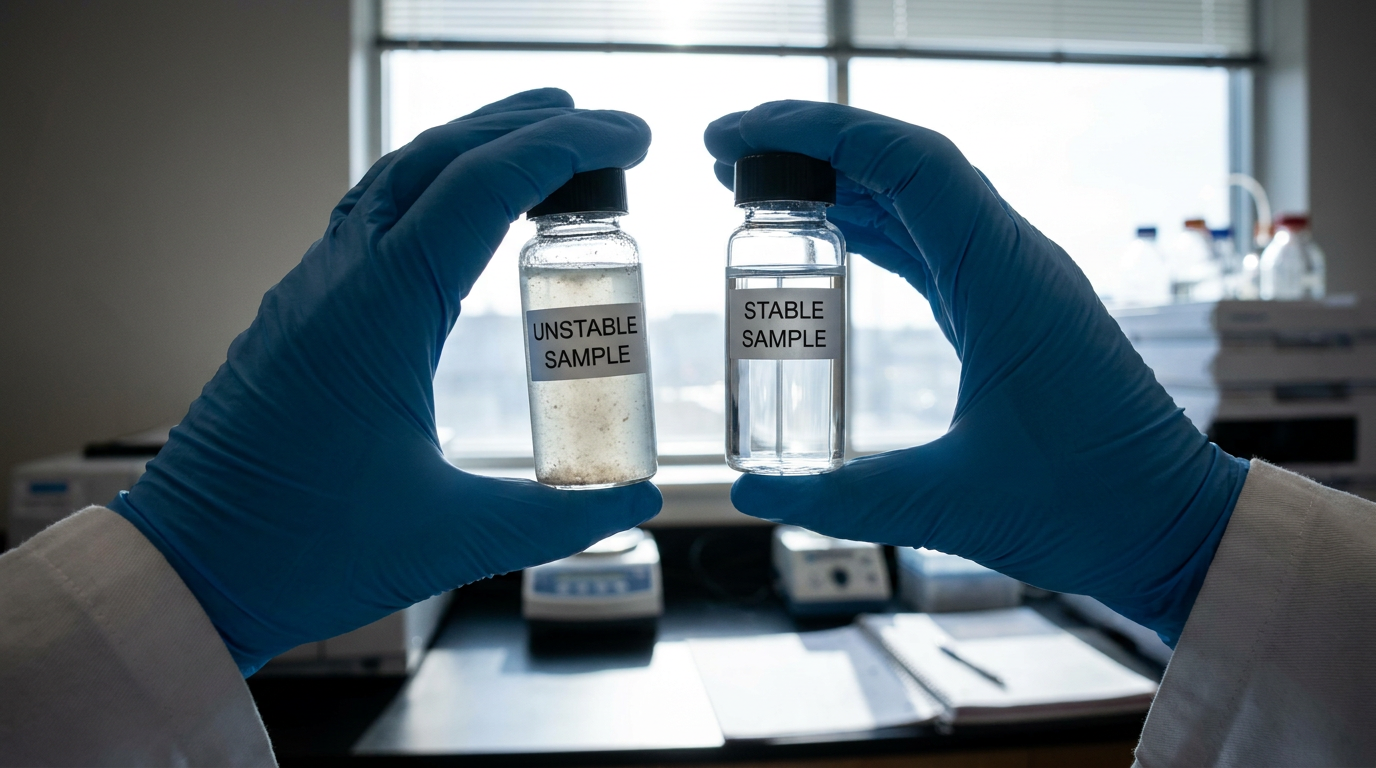
To put the whole challenge in one frame, here is what a developer is juggling simultaneously on a single formula:
- Getting the protein fully hydrated so there is no grit.
- Keeping it suspended so there is no sediment over months.
- Surviving heat without aggregating or gelling.
- Masking inherent off-notes so it tastes like a treat, not a supplement.
- Taming astringency so the mouthfeel stays pleasant.
- Holding a pH that keeps all of the above in balance while supporting the process.
This is precisely the multidimensional problem-solving that happens inside Solving these challenges is only meaningful if the finished drink can honestly claim the protein it promises, which brings us to fortification and labels.
our beverage development center
, where these variables are balanced not in theory but against a real target product and a real production reality. Solving them is the difference between a formula and a product.
Fortification Levels and Label Claims: Getting the Numbers Right
Walk up that curve and watch the problems compound. As protein load rises, viscosity climbs, sometimes turning a drinkable beverage into something closer to pudding. Astringency intensifies, drying out the mouth. Sedimentation risk grows because there is simply more protein to keep suspended. And processing risk escalates, since more protein means more material that can aggregate or gel under heat. The number on the label is not free. It is purchased with formulation difficulty, and every additional gram raises the price.
There is a seductive logic in protein marketing: if some protein is good, more must be better, and a bigger number on the label must sell more bottles. The reality of protein beverage formulation is more sobering. Every gram of protein you add makes the drink harder to build. Fortification is a tradeoff curve, and pretending otherwise is how brands end up with a formula that looks great on paper and tastes like paste.
This is why realistic protein tiers exist across formats. A light, refreshing protein water is not trying to compete with a meal-replacement shake, and it should not pretend to. Its whole appeal is lightness, so a modest protein level fits both the format and the consumer's expectation. A high-protein shake, by contrast, is built to carry a heavier load because its creamy body can support it and its consumer expects substance. Choosing a protein target is not about hitting the biggest possible number. It is about hitting the right number for your format, one the product can actually deliver without falling apart.
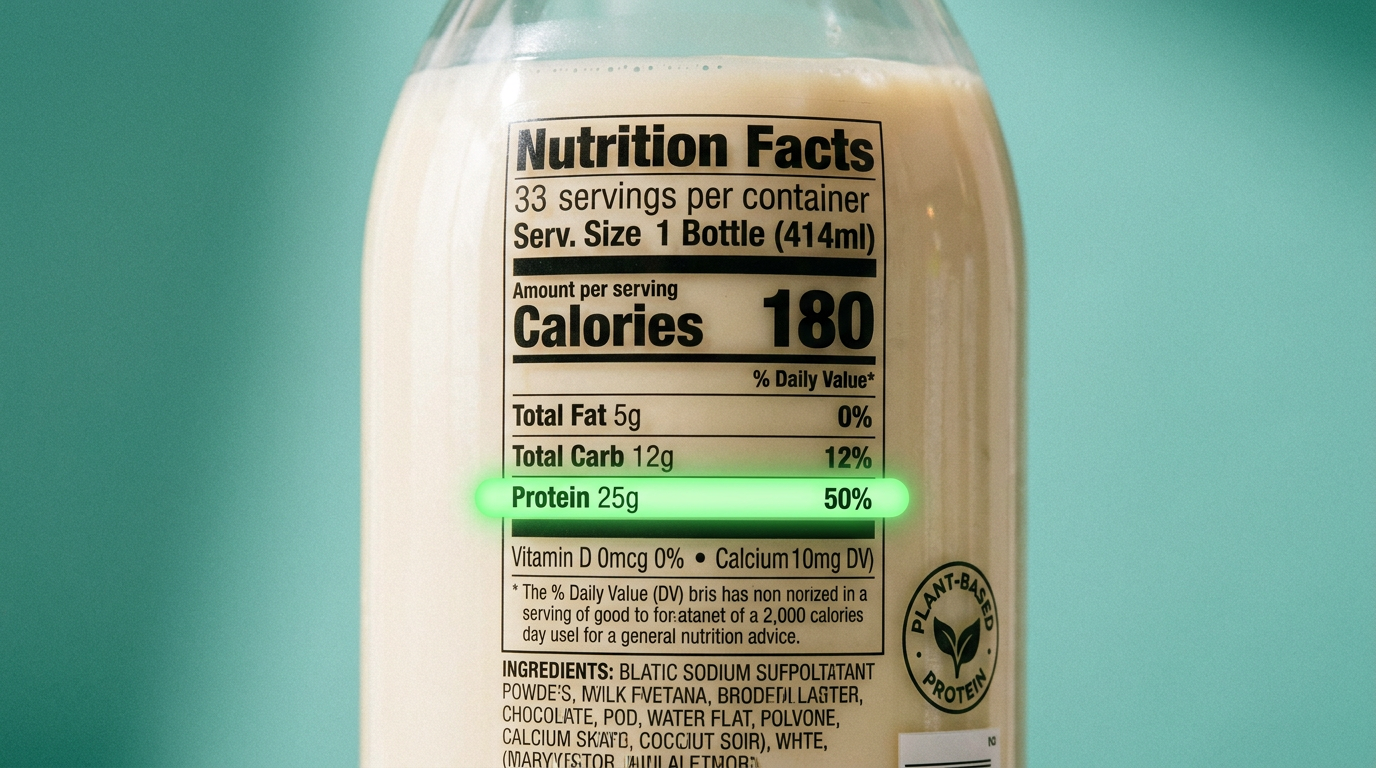
Those numbers matter enormously because they unlock claims, and claims must be earned. There is a meaningful difference between a "good source of protein" style claim and an "excellent source of protein" style claim, and each has thresholds the product must genuinely meet. You cannot simply decide to make the claim. The base product has to support it, in fact, at the point the consumer drinks it. That last phrase is the one that trips up the unprepared. Protein content is not static from lab bench to store shelf.
Here is the subtlety that separates seasoned formulators from newcomers. The label number has to survive. It must survive processing, where heat and handling can affect protein, and it must survive shelf life, where time slowly acts on the formula. This is where overages come in, the practice of formulating with a margin so that the number a consumer gets still meets the number the label promises months later. It is also where amino acid quality matters, because not all protein is nutritionally equal, and honest claims account for that. Cutting corners here is not a marketing shortcut. It is a compliance and trust problem waiting to surface.
Which is exactly why we treat regulatory compliance as part of the build itself, folded into the Develop stage rather than bolted on at the end. Waiting until the formula is "finished" to check whether the claims are defensible is how projects get sent back to the drawing board at the most expensive possible moment. Building Even a perfectly fortified, perfectly compliant formula can still fail in the plant, so processing method is the next make-or-break decision.
regulatory compliance
There is a bigger principle underneath all of this. Accurate claims protect two parties at once. They protect the consumer, who deserves to get the protein they paid for. And they protect the brand, whose reputation depends on the label being true. In a category built on the promise of "better for you," a broken promise is not a minor error. It is an existential one. Fortification decisions, in other words, are inseparable from the rest of protein beverage formulation and from the mouthfeel work that surrounds them. The number, the taste, and the texture all have to agree.
into the process from the start means the claims and the formula grow up together, each one shaping the other, so the finished product is both delicious and defensible.
Process Considerations: UHT, Retort, and HPP
A protein beverage is not finished when the formula is finalized. It is finished when it survives the factory. Processing is the moment where all your careful choices about source, pH, format, and fortification are put to the test under real heat and real pressure, and it is where too many promising formulas quietly break. Understanding the major processing routes is not the manufacturer's job alone. It is central to protein beverage formulation, because the process you intend to use should shape the formula from the very first bench trial.
Start with UHT, or ultra-high temperature processing. Its enormous appeal is shelf-stable, ambient distribution: a product that can sit on a warehouse shelf and a store shelf without refrigeration, which opens up distribution and dramatically simplifies logistics. The catch is right there in the name. That very high heat is exactly what threatens protein, risking aggregation, gelling, and the development of cooked or off notes. Plant proteins are especially vulnerable to this thermal stress. As the processing specialists at SPX FLOW lay out in their guidance on , heat sensitivity and gelling are precisely the failure modes that catch developers off guard when a formula was not designed with the process in mind.
avoiding formulation pitfalls in shelf-stable beverages for UHT producers
Then there is retort, the heavy-duty option. Retort delivers robust, dependable shelf stability, but it does so through even more intense heat. That intensity buys safety and longevity at a real cost to flavor and texture, pushing cooked notes and softening the sensory delicacy that a premium protein beverage aims for. Retort can be exactly right for the correct product, but it is a demanding partner, and the formula has to be built tough enough to endure it while still tasting good on the other side.
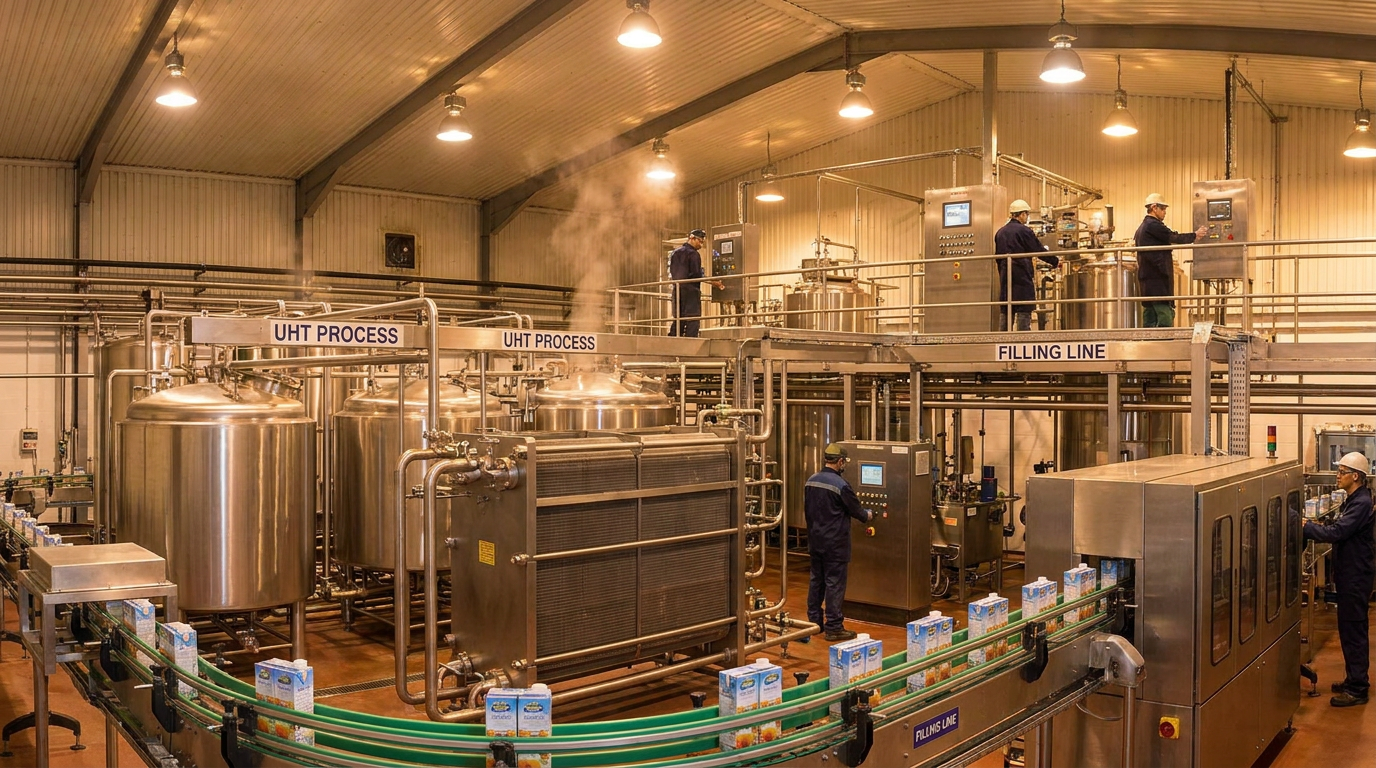
On the gentler end sits HPP, or high pressure processing. Instead of cooking the product, HPP uses intense pressure to achieve safety, which is far kinder to flavor and to the freshness cues consumers prize. That gentleness is its gift, delivering a fresher-tasting, more vibrant product. Its constraint is the cold chain. HPP products generally need refrigeration, which changes distribution and shelf-life expectations, and the stability profile of an HPP beverage differs from a heat-processed one. It is the right tool when freshness is the story and a cold-chain distribution model is viable.
Here is the point that ties the whole article together: process choice loops back into every earlier decision.Consider what happens when this is ignored. A team develops a gorgeous formula in the lab, gets everyone excited, locks in the concept, and only then hands it to manufacturing, where UHT heat causes it to gel. Now the formula has to be substantially reworked, the timeline slips, and the budget balloons. That is the expensive lesson of formulating without the end process in view. Formulating with the intended process from day one is what prevents costly reformulation and protects both the schedule and the wallet.
The right protein source for a UHT product may be the wrong one for retort. The pH that works beautifully for an HPP water might be a liability under high heat. The fortification level that is safe in one process is risky in another. These are not sequential decisions where you finish one and move to the next. They are a single interconnected system, and pulling on any thread moves all the others.
This is genuinely where concept to commercialization is won or lost. A brilliant idea that cannot be manufactured at scale is not a product. It is a very expensive prototype. The discipline of anticipating the factory, of designing the formula and the process together so they meet cleanly at the first production run, is what turns a concept into something real on a shelf. That is why we connect All of these decisions, from source to format to challenges to claims to process, come together in a single coordinated process. And this is exactly how Menu Collective builds protein beverages with clients.
first formulation to first production run
as one continuous responsibility rather than two separate handoffs. Great formulation anticipates the factory from the very beginning.
The Menu Collective Approach: Design, Develop, Deliver a Gold Standard Protein Beverage
By now the picture should be clear. A great protein beverage is a web of interlocking decisions where every choice constrains and shapes the others. Trying to solve it linearly, or handing it off in disconnected pieces, is how good ideas die in the gap between the lab and the shelf. Our whole approach exists to hold that web together, and we organize it around three deceptively simple words: Design, Develop, Deliver. It is how we de-risk protein beverage development from the first conversation to the finished product on the shelf.
Design is where we define the Gold Standard. Before a single ingredient is weighed, we work with the client to select the right beverage experts and to articulate exactly what success looks like for their target consumer and occasion. Is this a creamy, indulgent breakfast shake for the busy professional? A crystal-clear collagen water for the beauty-minded shopper? A concentrated shot for the on-the-go moment? The Gold Standard is not a vague aspiration. It is a concrete, agreed-upon vision of the product that everything else will be built to serve. Get this right and every later decision has a north star. Get it wrong and even flawless execution builds the wrong thing.
Develop is where that vision becomes real and, crucially, scalable. This is where the whole technical arc of this article comes into play at once: choosing the right protein source, locking the format, setting a realistic fortification level, engineering the stability system that keeps the drink beautiful over its shelf life, and building regulatory compliance in rather than bolting it on. Development is not a search for something that merely tastes good in a beaker. It is the search for a formula that tastes good, holds up through processing, survives shelf life, honestly earns its claims, and can be made at scale. That is a much harder and more valuable target.
Deliver is the stage too many developers ignore. A finished formula is not a finished business. We help guide the sales, marketing, and distribution work that turns a great formula into a product people can actually find and buy. A protein beverage that never makes it cleanly to shelf, or that stumbles at scale-up, is not a success no matter how good the recipe is. Delivery closes the loop from concept to commercialization, and it is why we think about the market from the same first day we think about the formula.
The truth we come back to again and again is that mouthfeel, off-note masking, and processing fit are where protein beverages actually succeed or fail. A brilliant nutritional profile means nothing if the drink is chalky, if it carries a beany aftertaste, or if it gels in the plant. Early collaboration on these exact points is what saves our clients months of rework and real money, because the hardest problems are cheapest to solve at the beginning.
That word, collaboration, is deliberate. We are collaborators, not consultants. A consultant hands you a report and walks away. We build with our clients, not merely for them, standing alongside them through every decision from concept to commercialization. It is a partnership, not a transaction, and it shows in the results. This collaborative model is also what lets us work across an enormous range: any protein base, any format, and clients spanning ambitious startups to established global brands. The scale of the client changes, but the discipline and the partnership do not.
That range and that partnership are how we aim to transcend the industry norm, refusing to accept that a protein drink has to taste like a compromise. You can see the philosophy in action across our , and you can learn more about the team and the experience behind it on our . The consistent thread is a team that treats formulation as a craft and treats the client as a genuine partner in it.
About pagecase studies

From understanding the craft, it is a short step to imagining your own product on the shelf. That is where we would love to meet you.
Bringing It All Together: The Craft Behind Every Sip
So keep the beverage first and the real-world outcome in view. A protein drink is not a spreadsheet of grams and a list of claims. It is an experience someone chooses, sip after sip, day after day, and earns your place in their routine only if you got the craft right.
That interconnectedness is the whole lesson. You cannot optimize protein content without affecting mouthfeel. You cannot pick a process without constraining your protein source. You cannot promise a claim without engineering the formula to keep it through shelf life. Anticipating the factory and the label from day one, rather than discovering them as unpleasant surprises at the end, is exactly what turns a promising idea into a repeatable, shelf-ready product people come back for. Mouthfeel and honest claims are not finishing touches. They are the reasons a first purchase becomes a habit.
Protein has left the gym for good. It now lives in the everyday better-for-you moments of ordinary life: the rushed breakfast, the afternoon reset, the smarter swap for a sugary drink. But the brands that win in this crowded, growing category are not the ones with the boldest claim or the trendiest packaging. They are the ones that treat protein beverage formulation as the genuine craft it is, a discipline that spans source, format, fortification, mouthfeel, and processing, with every one of those choices wired to all the others.
Let's Build Your Protein Beverage Together
Bring us your concept and build it with a team that has taken beverages all the way from first formulation to first production run, across recognized brands and every format imaginable. Whatever your base, whatever your occasion, we will help you design a Gold Standard product and develop it into something real and shelf-ready.
Let's create something new together and book a free consult as your low-friction first step. Or if you want to look around first, explore our beverage development services and see how we build with clients, not just for them.